Unusual Creative Spaces Around Angkor
*Guided by Wisdom, Joy, and Freedom — a traveler’s compass for choosing well, exploring deeply, and moving lightly.*
—
🖼️ Visual Introduction – Art & Atmosphere
♿ Unusual Creative Spaces Around Angkor
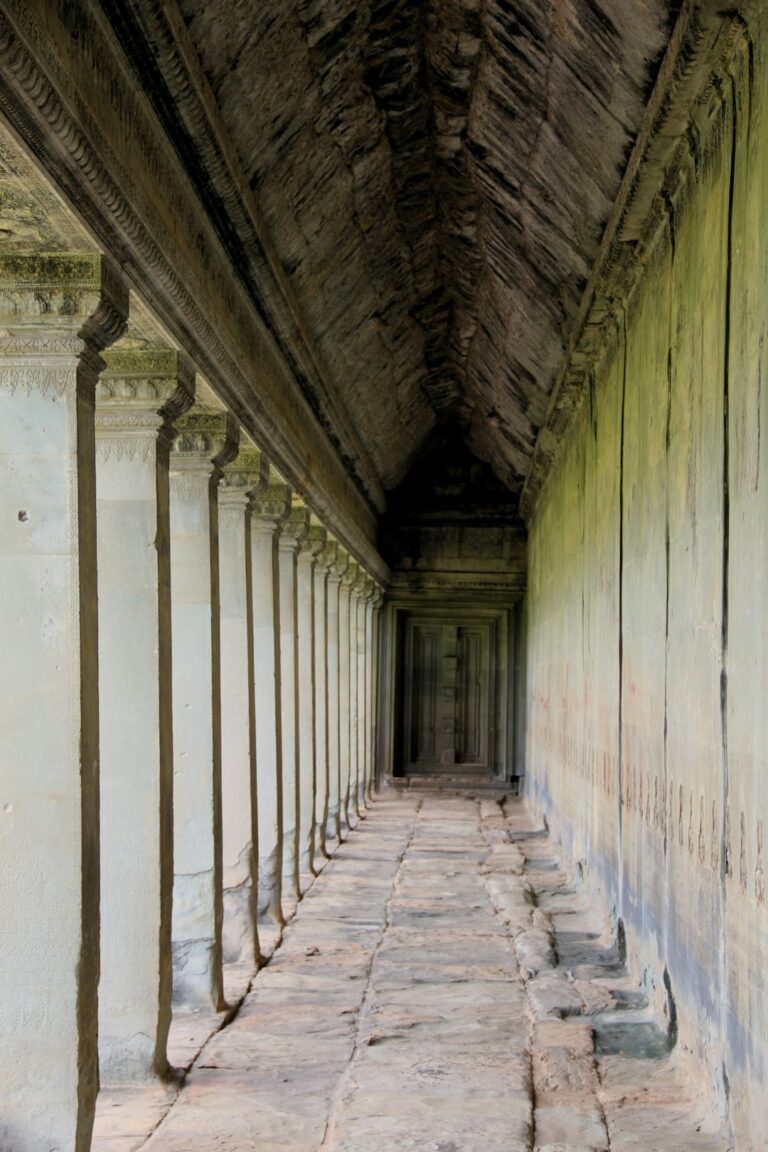
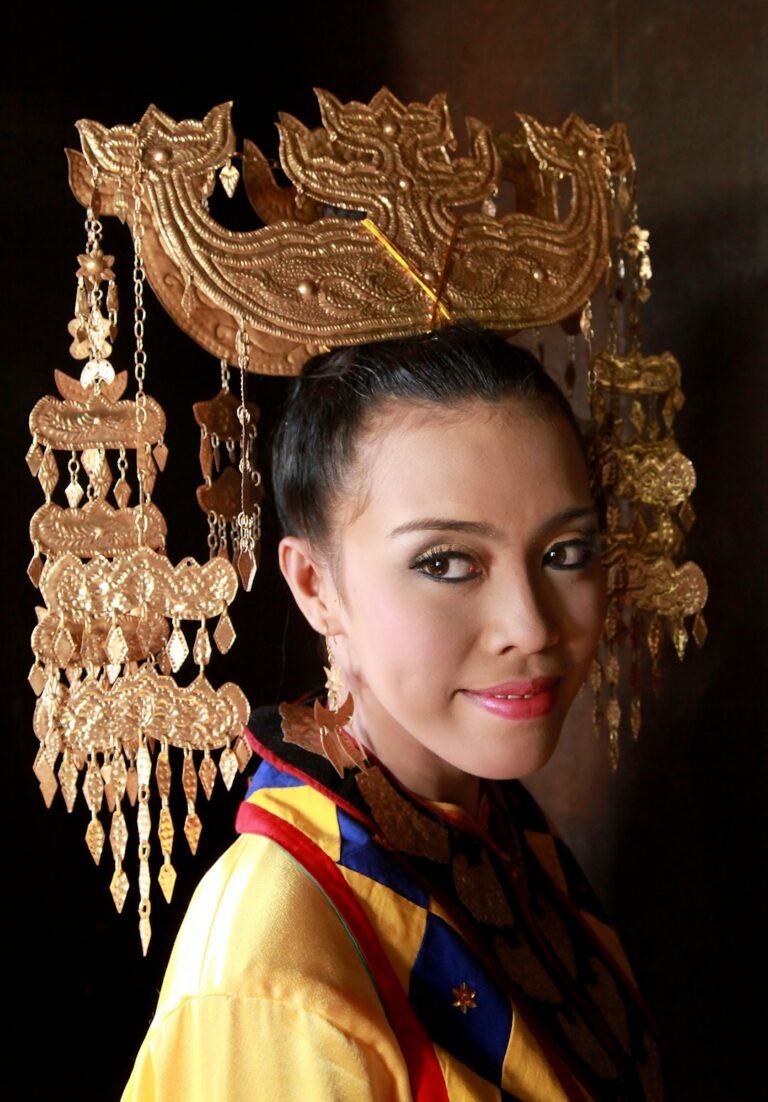
Nestled within the verdant embrace of the Cambodian jungle, Angkor’s ancient temples are not merely relics of a bygone era; they are also a canvas for contemporary creativity, where the whispers of history entwine with the vibrant pulse of modern artistry. Venture beyond the well-trodden paths of Angkor Wat and Ta Prohm to discover the mesmerizing artistry of local craftspeople, who breathe life into traditional techniques that have persisted for centuries. In the village of Siem Reap, vibrant workshops brim with artisans meticulously weaving silk using age-old methods, their fingers deftly dancing over looms as colorful threads intertwine like the roots of the banyan trees surrounding them. Nearby, the rhythmic sounds of wood carving and stone sculpting echo through studios, where artists transform local materials into exquisite pieces that reflect both their cultural heritage and personal narratives. Embrace the sensory symphony of this creative landscape, where the fragrant aroma of incense mingles with the earthy scent of clay, and the laughter of children at play reverberates through the air, reminding visitors that Angkor is as much about its living traditions as it is about its monumental past.
💡 Stegosaurus Angkor
At the heart of Cambodia’s Angkor Wat, where the roots of ancient trees entwine with stone temples, the spirit of the stegosaurus resonates, intertwining history and mythology. This prehistoric titan, with its formidable plates and spiked tail, captures the imagination, echoing a time long before humans tread here. Standing before the intricate bas-reliefs of Angkor, one can almost hear the whispers of artisans who carved stories of gods, battles, and daily life into sandstone—each chisel strike a testament to their dedication and cultural continuity. The air is thick with the scent of damp earth and frangipani blossoms, a fragrant reminder of nature’s revival amid the remnants of an empire. As the sun casts an ethereal glow over the temple’s silhouette, travelers are invited to not only witness the grandeur of Angkor but to reflect on the interconnectedness of life, past and present. Engage with local craftspeople who share their ancestral skills, weaving a living tapestry of history that thrives in the shadow of the stegosaurus, a symbol of resilience in a world that continues to evolve.
🛍️ Nature & Culture Store
🌿 Why Is Angkor Not A Wonder Of The World?
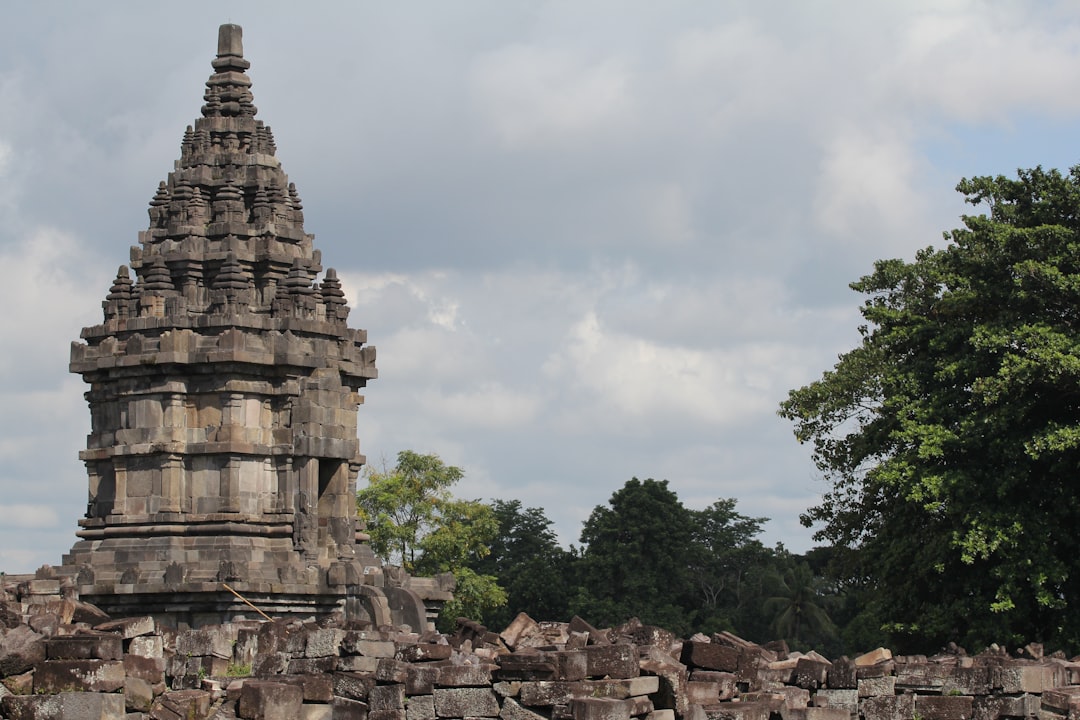
Angkor Wat, an architectural marvel that looms majestically over Cambodia’s lush landscape, often finds itself shrouded in a paradox: despite its grandeur and historical depth, it is curiously absent from many lists of the Seven Wonders of the World. This UNESCO World Heritage site, built in the 12th century as a Hindu temple dedicated to the god Vishnu, transcends mere stone and mortar; it pulsates with the spirit of ancient Khmer civilization, where intricate bas-reliefs tell tales of gods, battles, and the cyclical nature of life. As the sun rises, casting golden hues over its towering spires, one can hear the soft whispers of monks chanting prayers, their robes billowing in the gentle breeze, a reminder of the living culture that thrives amidst the ruins. Although its omission from world wonder lists may seem disheartening, it invites travelers to engage more deeply with the surrounding communities, where artisans preserve age-old crafts, and rituals endure as testaments to resilience. Angkor Wat is a world unto itself, not solely defined by accolades, but by the profound connection it fosters between past and present, inviting all who visit to partake in its enduring narrative.
🧭 When Angkor Was Found
In the early 19th century, the dense jungles of Cambodia began to yield their secrets, unveiling the majestic silhouette of Angkor Wat, a temple complex that had slumbered under the weight of centuries. Discovered by French naturalist Henri Mouhot in 1860, this architectural marvel, originally built in the 12th century as a Hindu temple dedicated to Vishnu, evokes a sense of reverence and wonder. As sunlight filters through the towering trees, it dances upon intricately carved bas-reliefs depicting celestial beings and epic battles, inviting travelers to lose themselves in tales of a bygone era. The air is thick with the scent of damp earth and frangipani, mingling with the whispers of history as monks chant softly in the background, a reminder of the enduring spiritual significance of this sacred site. Today, Angkor Wat stands not merely as a remnant of the Khmer Empire, but as a living testament to the resilience of Cambodian culture, beckoning visitors to explore its labyrinthine corridors and embrace the profound continuity of its rituals and artistry amidst the encroaching shadows of time.

> Every brushstroke of a journey begins with seeing — colours, textures, and the rhythm of place.
🌍 Explore the City – Spirit of Discovery
🎥 Featured Video – Stories Begin Here
🎥 Angkor Wat Documentary Trailer — Nature & Culture
🚶 Tours & Experiences – Joy in Motion

> Walk the streets where culture breathes; let curiosity lead your steps.
🏛️ Attractions & Activities – Living Culture
🏨 Hotels & Stays – Rest with Meaning
🏠 Vacation Rentals – Homes with Heart
Flights & Arrival

> The journey itself is art — an unfolding canvas of skies and horizons.
📱 Stay Connected – The Modern Thread
🛡️ Insurance & Safety – Peace in Motion
💳 Money & Finance – Wisdom of Value
Travel Inspiration
“Like all great travelers, I have seen more than I remember, and remember more than I have seen. – Benjamin Disraeli”
A 90-second Story
Hands move quickly and skillfully, weaving, carving, or painting. Each stroke or knot holds generations of knowledge. Watching, you realize that tradition lives not in museums, but in the people who keep creating.
📜 Proverbs & Wisdom
“Cross the river in a crowd and the crocodile won’t eat you. – African Proverb”
🌍 Travel Facts
Venice is slowly sinking at a rate of 1–2 mm per year.
🛡️ Travel Safety
Don’t share too many details about your travel plans with strangers.
💵 Currency & Money
Some taxis and buses only accept local currency, not cards.
🎒 Packing Tips
Wear your bulkiest shoes and jacket on the plane to save space.
🌱 Sustainable Travel
Book tours with operators who support conservation.
💡 Travel Tips
- Stay in Touch: Share your itinerary or location with a friend or family member back home.
- Ask Locals: Locals often know the best places to eat, shop, or avoid. Don’t be afraid to ask politely.
- Travel Insurance: Accidents and delays happen. A good travel insurance policy can save you from unexpected costs.
🎥 Cultural Highlight – Expression of Place
🎥 BANGKOK to SIEM REAP with GIANT IBIS bus (We didn’t expect this!) — Nature & Culture
🎥 Travel Vlog – Behind the Journey
🎥 ចំលាក់ថ្ម Stone Carving Documentary, Siem Reap — Nature & Culture
🎥 Travel Video – Essence & Emotion
📸 Gallery – Visual Harmony
🎞️ Angkor-Wat Photo Gallery

📸 Photo by Ammy123 Paifueai

📸 Photo by Duc Van

📸 Photo by Siborey Sean

📸 Photo by Thoeun Ratana

📸 Photo by Aldrin Rachman Pradana

📸 Photo by Dallin Holding

📸 Photo by Bundo Kim

📸 Photo by Pramod Kumar Sharma

📸 Photo by Jan Ledermann

📸 Photo by Thoeun Ratana
🎥 More Videos – Motion & Memory
🎬 Cinematic Video Gallery
🎞️ Wat Athvear Temple | Angkor Temples 2022 [4K]
🎞️ Angkor Wat : What is Inside | Siem Reap Ep 6
Frequently Asked Questions – Before You Go
What’s the best way to exchange money abroad?
Avoid airport counters. Use ATMs in banks or prepaid travel cards for better exchange rates.
How much should I tip when traveling abroad?
It depends on the country. In some places tipping is expected, while in others it’s not customary. Research local etiquette.
What should I do if I get sick abroad?
Seek local medical care, use your travel insurance, and contact your embassy if hospitalization is required.
📚 Related Guides
🌐 Explore More Destinations