How to Reduce Waste While Traveling in Angkor
*Rooted in Nature, guided by Grace — a mindful path for travelers who seek beauty, balance, and belonging.*
—
🖼️ Visual Introduction – The Spirit of Sustainable Travel
♿ How To Reduce Waste While Traveling In Angkor?
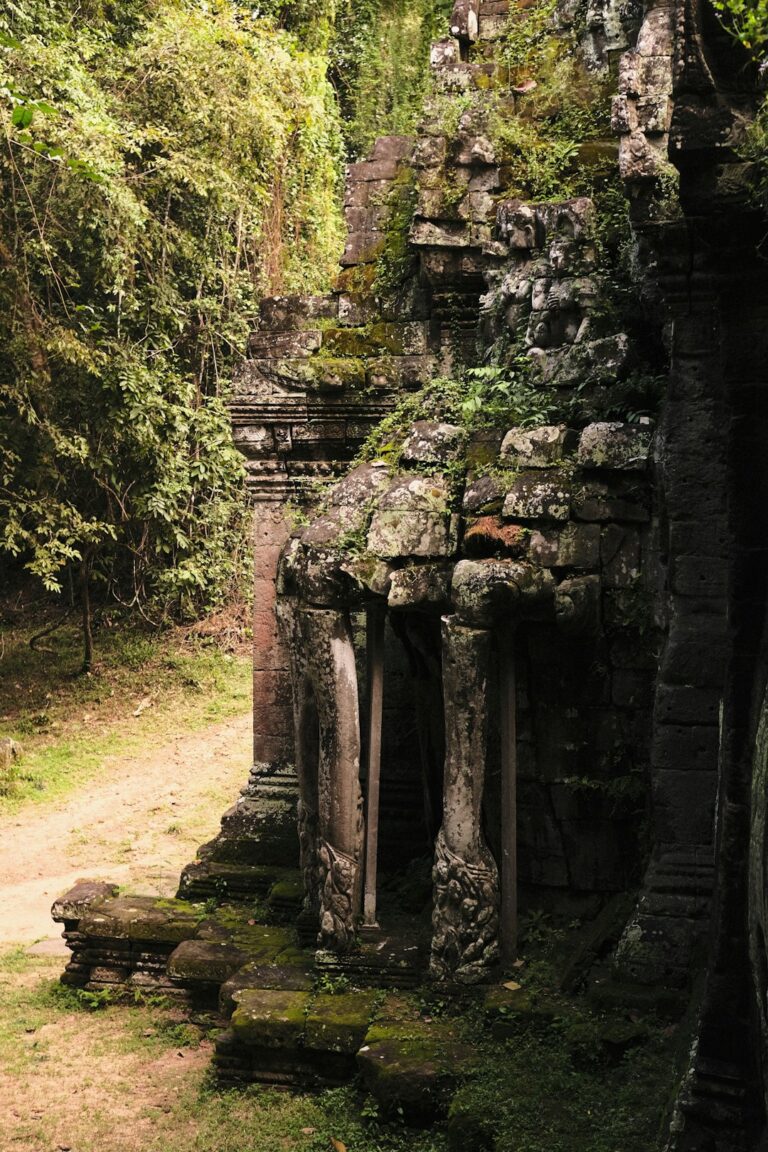
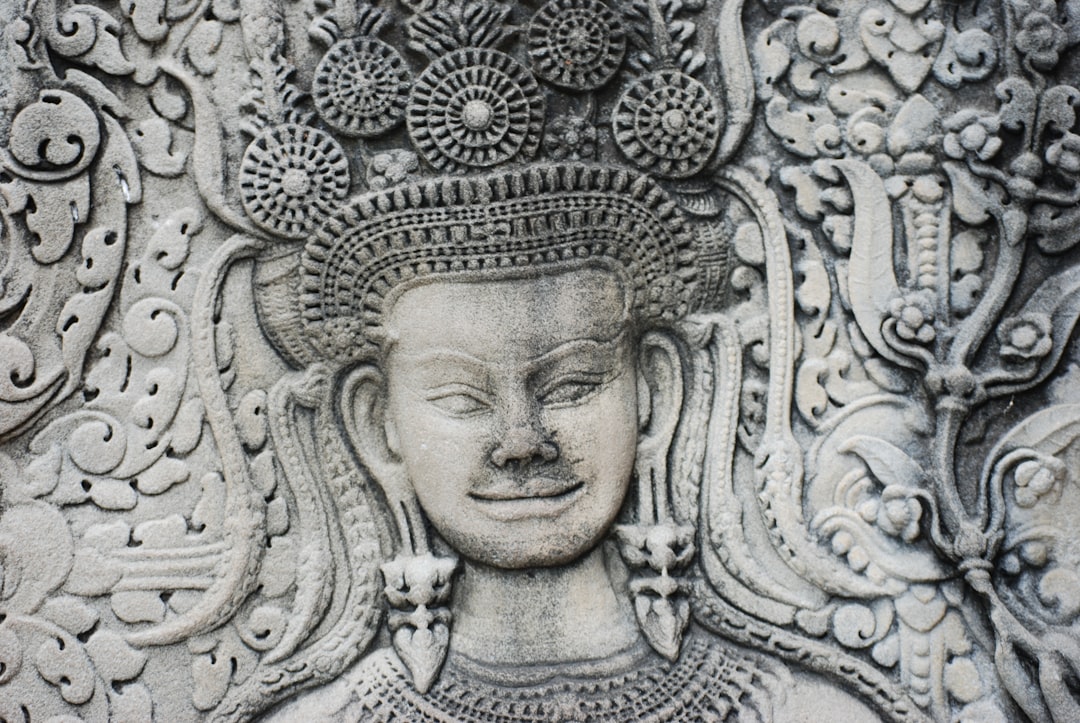
As you wander through the ancient corridors of Angkor, where the intricate stone carvings of the Bayon Temple tell tales of a civilization’s deep reverence for nature, consider how you can honor this sacred landscape by minimizing your waste. Begin your journey with a reusable water bottle, allowing the vibrant sounds of chirping cicadas and the rustle of palm fronds to accompany you as you refill at local kiosks. Pack cloth bags for your market finds—perhaps fragrant lemongrass or delicate silk scarves—rather than relying on single-use plastic. When savoring the rich flavors of Khmer cuisine, opt for eateries that prioritize sustainability, where meals are served with an emphasis on local produce. As you explore the lush surroundings of Ta Prohm, where roots intertwine with ancient stones, be mindful of your footprints: tread lightly and carry out any waste you encounter. In this way, you not only preserve the beauty of Angkor but also foster a deeper connection to the land and its people, embodying a travel ethos that honors both nature and culture in harmonious coexistence.
💡 Best Way To See Angkor
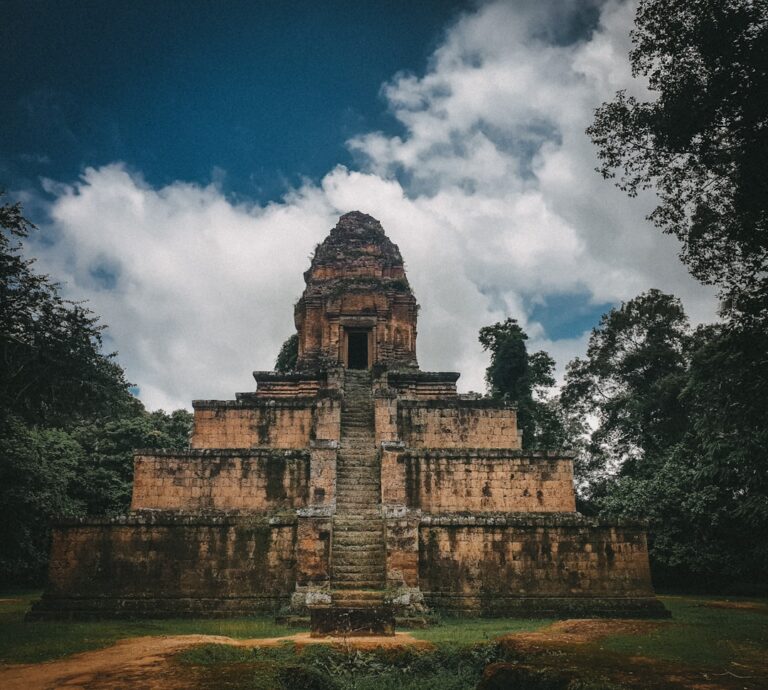
To truly embrace the majesty of Angkor Wat, rise before dawn, when the first whispers of light caress the ancient stones and the air is filled with a symphony of chirping cicadas and rustling leaves. As you approach the temple complex, the silhouette of the iconic five towers emerges against the horizon, mirrored in the still waters of the surrounding moat. This tranquil moment is best enjoyed in solitude, allowing you to connect deeply with the serene energy of this UNESCO World Heritage site. Wander through the intricate bas-reliefs that tell stories of gods and battles, and feel the cool touch of the stone under your fingertips, each groove a testament to centuries of craftsmanship. To honor both the natural and cultural heritage of the area, consider exploring on foot or by bicycle, treading lightly on the paths that weave through the lush jungle and past lesser-known temples. Engage with local guides who share their wisdom and respect for the land, ensuring that your visit is both enlightening and sustainable, forging a meaningful bond between humanity and the enchanting spirit of Angkor.
🛍️ Nature & Culture Store
🌿 What Angkor Used To Look Like?
Once the heart of the Khmer Empire, Angkor Wat was a resplendent marvel of architectural ingenuity and spiritual devotion, adorned with intricately carved stone reliefs that illustrated the empire’s rich mythology and daily life. As the sun rose over the ancient temple complex, its silhouette reflected majestically in the surrounding moats, casting a serene glow that beckoned travelers to explore its sacred grounds. The air was perfumed with the gentle scent of jasmine and frangipani, while the distant call of cicadas underscored the quiet reverence of the place. Originally constructed in the early 12th century as a Hindu temple dedicated to the god Vishnu, Angkor Wat was later transformed into a Buddhist sanctuary, embodying the harmonious coexistence of cultures. Visitors today tread softly on the same stones once walked by kings and priests, surrounded by the lush greenery that envelops this UNESCO World Heritage site. To truly appreciate its grandeur, consider visiting at dawn, when the first light casts a golden hue over the temple, illuminating its intricate bas-reliefs and allowing a moment of connection with the past amidst the whispers of nature.
🧭 What Is Angkor Famous For?
Angkor Wat, a UNESCO World Heritage Site nestled in the heart of Cambodia, is renowned not only for its breathtaking architectural grandeur but also for its profound connection to the history and spirituality of the Khmer Empire. As the sun rises, rays of golden light dance across the intricate bas-reliefs that narrate tales of ancient battles and celestial beings, inviting visitors to wander through time. The temple, originally constructed in the 12th century as a Hindu sanctuary dedicated to the god Vishnu, later transformed into a Buddhist temple, embodying a harmonious blend of cultural evolution. Surrounded by a lush moat, the intricate sandstone carvings and towering spires evoke a sense of serenity, encouraging mindful exploration of its sacred grounds. Travelers are encouraged to visit during the quieter hours of dawn or dusk, when the air is imbued with the sweet scent of frangipani and the soft sounds of birdsong fill the tranquil atmosphere. As you tread lightly along the ancient pathways, you become part of a living tapestry, honoring the resilience of both nature and humanity at this remarkable intersection of history and spirituality.

> Every journey leaves a footprint. Let yours be light, loving, and full of purpose.
🌍 Explore the City – Harmony Between People and Place
> Discover how culture, compassion, and community intertwine — this is travel that listens.
🌱 Sustainable Travel Tips – Acts of Grace on the Road
Use reef-safe sunscreen when swimming or diving.
> Start small: reusable bottles, local dining, gentle steps. Each choice is a quiet act of love for the planet.
🎒 Smart Packing – Travel with Simplicity
Carry a lightweight scarf — useful for warmth, modesty, or as a blanket on flights.

Pack as if you’re part of the world, not apart from it. Less weight, more wonder.
💳 Money & Responsible Spending – Faithful Stewardship
Avoid money changers in tourist zones — rates may be inflated.
> Spend where your heart aligns — on craftsmanship, kindness, and shared growth.
🚶 Eco-Friendly Tours – Explore with Purpose
Each walk, each whisper of wind — an invitation to live more gently and see more deeply.
🏛️ Green Attractions & Activities – Beauty that Endures
> Nature teaches peace; culture teaches gratitude. Both remind us what is worth protecting.
🏨 Eco Hotels & Stays – Rest with Responsibility

Stay where sustainability feels natural — powered by sunlight, nurtured by care.
Low-impact Flights & Transport – The Way Of Peace
Choose balance over haste. Travel becomes sacred when done in awareness.
📱 Stay Connected – Sharing Goodness
Use connection as a tool of compassion — to inspire, not to consume.
🛡️ Safety on the Road – Confidence with Calm
Know the emergency number of the country you’re visiting.
> Faith is the traveler’s best protection; wisdom, the map that never fails.
🎥 Featured Video – Stories of Change
🎥 Exploring Hidden Temples beyond Angkor Wat & Street Food Tour in Siem Reap 🇰🇭 Cambodia Vlog — Nature & Culture
🎥 Traveler’s Vlog – The Path of Kindness
🎥 Cambodia | Khmer Rouge | TV Eye |1979 — Nature & Culture
🎥 Cultural Moment – Harmony in Motion
🎥 Red Light District in Phnom Penh Cambodia | Clubs and Bars | Walking Tour | Nightlife in Phnom Penh — Nature & Culture
🎥 Scenic Journey – Beauty Beyond Words
🎥 The Ultimate Cambodia Travel Guide | Phnom Penh & Siem Reap & Angkor Wat Must-Sees! — Nature & Culture
💡 Travel Tips – Small Choices, Big Impact
- Secure Your Room: Use hotel safes if available. In budget stays, carry a small padlock for lockers or zippers.
- Watch Your Belongings: Use a crossbody bag and keep valuables close in crowded areas to avoid pickpockets.
- Pack Light: A smaller bag makes moving around easier. Most people wear only half of what they pack.
Travel Inspiration – Words That Ground And Grow
“Wherever you go becomes a part of you somehow. – Anita Desai”
A 90-second Story – A 90-second Reflection
Through the train window, landscapes unfold like chapters: fields, towns, forests, mountains. Strangers share snacks, a song drifts from a seat nearby, and the rhythm of the tracks turns the journey itself into a memory.
📜 Proverbs & Wisdom – Earth’s Ancient Wisdom
“If you don’t know where you’re going, any road will take you there. – Lewis Carroll”
🌍 Travel Facts – Insights for Conscious Travelers
The tallest building in the world is the Burj Khalifa in Dubai.
📸 Eco Gallery – Nature’s Light
🎞️ Angkor-Wat Photo Gallery


📸 Photo by Lidia Stawinska

📸 Photo by Simon Van Rompaey

📸 Photo by Siborey Sean

📸 Photo by Eley Wong

📸 Photo by Bundo Kim

📸 Photo by Jacky Watt

📸 Photo by Mateus Bragança de Carvalho

📸 Photo by Yogesh Pedamkar

📸 Photo by Jeremy Brady
🎥 Video Gallery – Planet in Motion
🎬 Cinematic Video Gallery
🎞️ [4K] WAT ATHVEAR Temple [SIEM REAP ] Walking Tour
🎞️ The side of Phnom Penh City the Real life Show now #Life #walkingtour #cambodiatravel
Faqs – Common Questions, Gentle Answers
Is it safe to eat street food?
Yes, if it’s freshly cooked and served hot. Look for stalls with many locals, which often indicates good quality.
What vaccinations might I need?
Check with your doctor or travel clinic well in advance. Requirements vary depending on the destination.
What should I do if I lose my passport?
Report it immediately to local authorities and contact your embassy or consulate for a replacement.
📚 Related Guides – Continue Your Green Journey
🌐 Explore More Destinations – Hope Across Horizons
- Ancient City of Sigiriya
- Historic Ensemble of the Potala Palace, Lhasa
- Fort and Shalamar Gardens in Lahore
*Walk softly, love deeply, and let your travels become a prayer for the world.*