Wildlife Etiquette: Sustainable Encounters in Angkor
*Rooted in Nature, guided by Grace — a mindful path for travelers who seek beauty, balance, and belonging.*
—
🖼️ Visual Introduction – The Spirit of Sustainable Travel
♿ Wildlife Etiquette: Sustainable Encounters In Angkor
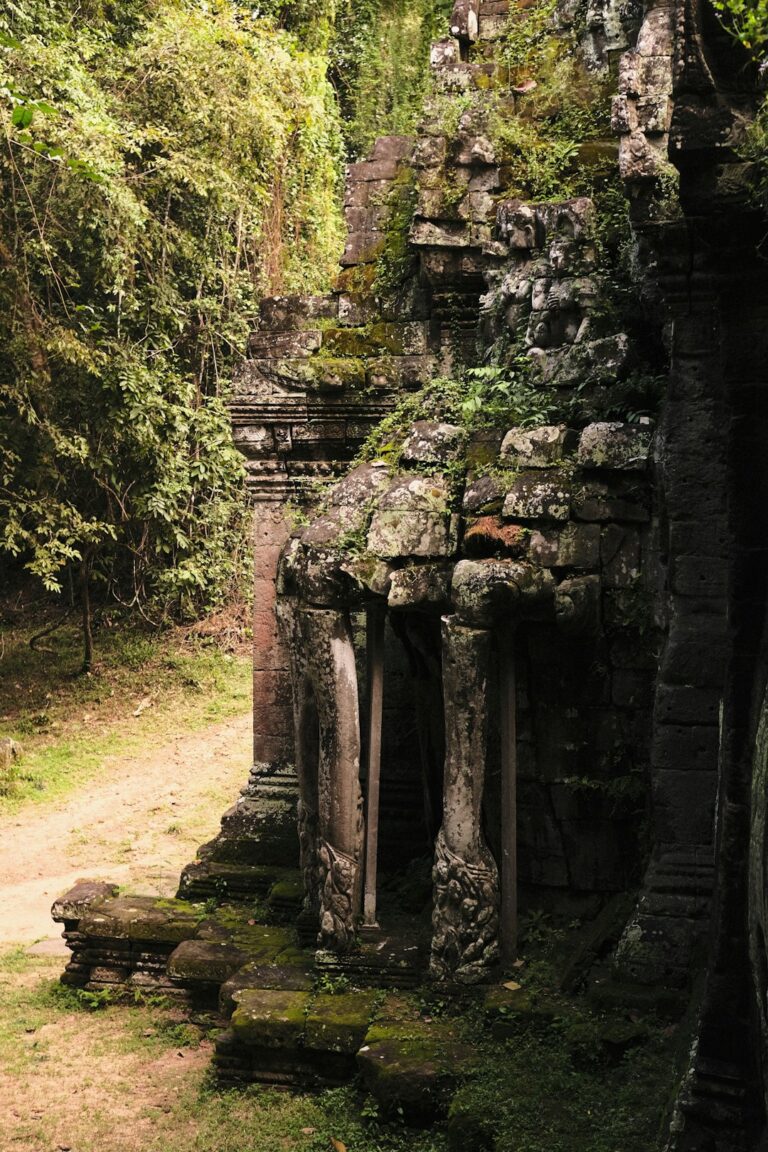
In the heart of Cambodia, where the ancient stones of Angkor rise like whispers from the jungle floor, a delicate dance unfolds between humanity and nature. To wander this UNESCO World Heritage site is to step into a realm where towering trees cradle intricate temples, and the air is alive with the symphony of chirping cicadas and rustling leaves. As you traverse the shaded paths, honor the vibrant wildlife that calls this ecosystem home. Observe the majestic birds flitting between the branches, their colors a vivid contrast to the rich greens surrounding them, and the shy deer grazing quietly in the underbrush. Adopting a mindful wildlife etiquette is paramount; keep a respectful distance, refrain from feeding animals, and ensure your footsteps leave no trace on the fragile terrain. Engage local guides who can illuminate the intricate relationships between the flora, fauna, and the storied past of Angkor. By fostering a harmonious coexistence with this breathtaking landscape, travelers not only enrich their own experience but also contribute to the preservation of a timeless sanctuary where nature and culture entwine in an everlasting embrace.
💡 Angkor Can You Visit
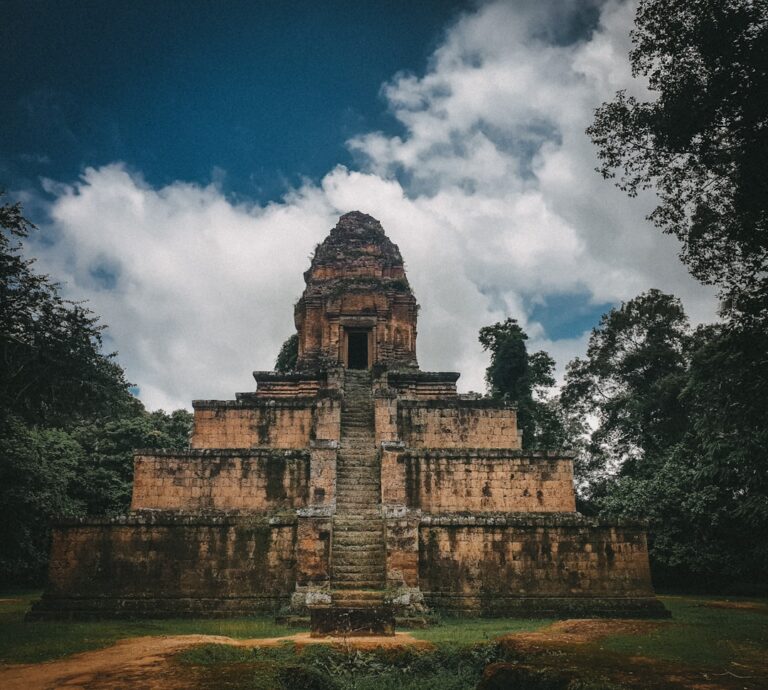
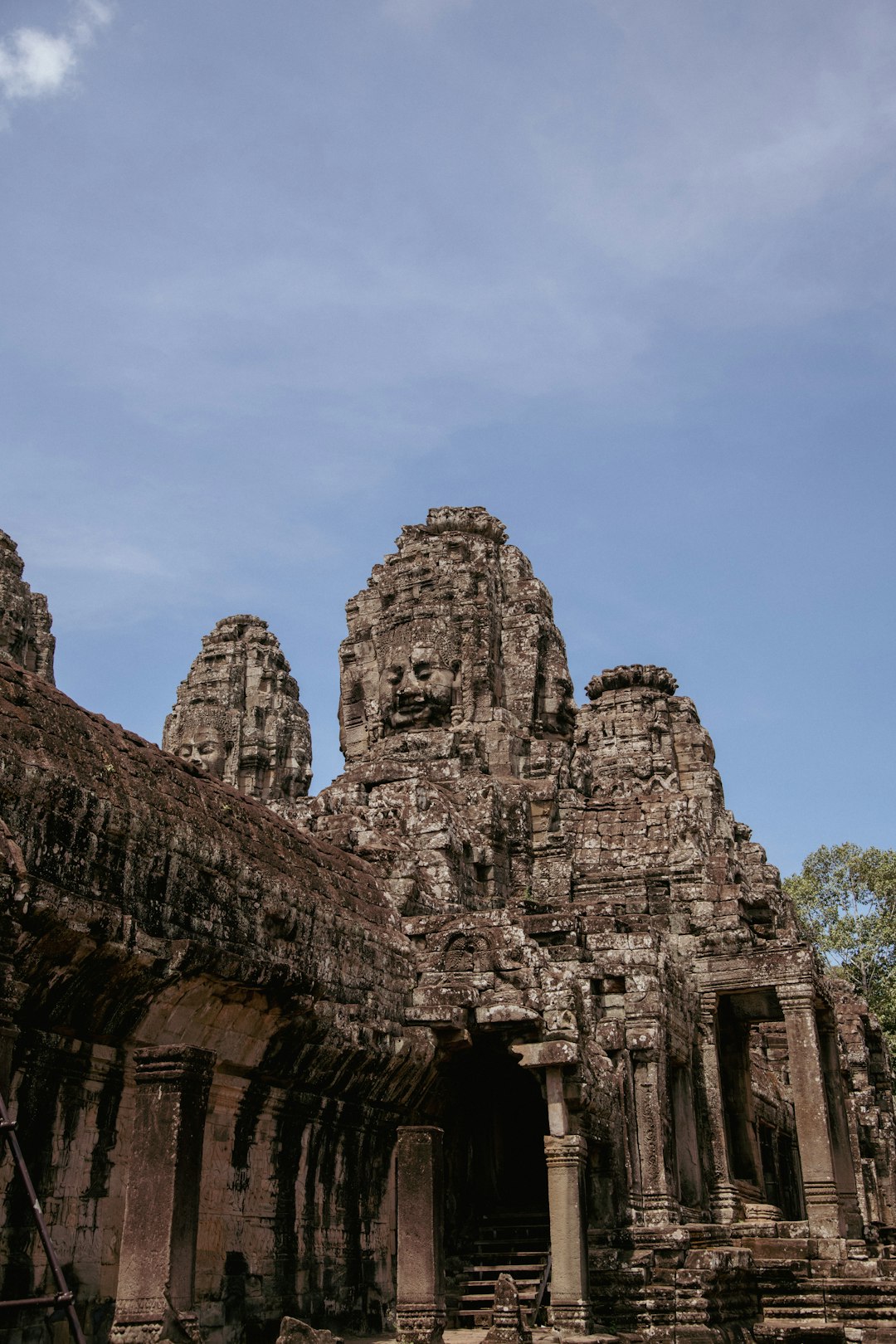
Nestled within the verdant embrace of Cambodia’s jungles, Angkor Wat stands as a resplendent testament to human ingenuity and spiritual devotion, inviting travelers to step into a realm where history and nature intertwine harmoniously. As dawn breaks, the temple’s intricate sandstone carvings come alive, their details illuminated by the soft, golden light, while the surrounding lotus ponds mirror the ethereal beauty of this UNESCO World Heritage site. Visitors can meander along the ancient pathways, where the whispers of the past mingle with the gentle rustle of palm fronds and the distant calls of tropical birds. Beyond Angkor Wat, the sprawling complex of Angkor Thom beckons, with its towering Bayon faces seemingly gazing benevolently upon all who pass. For those seeking a more intimate connection, the lesser-known temples of Ta Prohm, embraced by the roots of ancient trees, offer a poignant reminder of nature’s reclaiming touch. To visit Angkor is to embark on a journey through time, where each stone tells a story and every step fosters a deeper appreciation for the intricate tapestry of life that binds humanity and the natural world.
🛍️ Nature & Culture Store
🌿 What Is Angkor Famous For?
Angkor Wat, a sprawling temple complex nestled in the heart of Cambodia, is renowned not only for its breathtaking architectural grandeur but also for its deep spiritual resonance and rich historical tapestry. Built in the early 12th century during the reign of King Suryavarman II, this UNESCO World Heritage site is the largest religious monument in the world, a testament to the ingenuity of the Khmer Empire. As dawn breaks, the sun casts a golden hue across the intricate bas-reliefs and towering spires, inviting visitors to immerse themselves in a symphony of silence broken only by the gentle rustle of ancient trees and the distant call of tropical birds. Each stone whispers stories of devotion, artistry, and resilience, while the surrounding jungles echo the harmonious relationship between humanity and nature. Travelers are encouraged to explore not just the temple’s iconic silhouette, but also the sacred waterways and moss-covered ruins that cradle it, embodying the enduring spirit of a civilization that revered the land. Embrace the stillness of the early mornings and the vibrant sunsets, allowing the essence of Angkor to resonate within, a profound reminder of our connection to the earth and its history.
🧭 What Does Angkor Mean?
Angkor Wat, the crown jewel of the Angkor Archaeological Park in Cambodia, translates to “City of Temples,” a fitting homage to the grandeur that envelops this UNESCO World Heritage Site. As the sun rises, casting a golden hue over its intricately carved stone walls, the air fills with the faint scent of frangipani, mingling with the soft rustling of palm leaves. This architectural marvel, originally built in the early 12th century as a Hindu temple dedicated to the god Vishnu, later transformed into a Buddhist sanctuary, exemplifies the harmonious interplay between human ingenuity and nature. The sprawling complex, with its lotus-shaped towers piercing the sky, invites travelers to wander through its corridors adorned with bas-reliefs that narrate ancient epics and celestial tales. Each step on the weathered stones reverberates with history, while the surrounding lush jungle hums with life, reminding visitors of the delicate balance between civilization and the wild. As you explore this sacred site, embrace the slow rhythm of the landscape, and allow the spirit of Angkor to awaken a profound connection to the earth and its enduring legacy.

> Every journey leaves a footprint. Let yours be light, loving, and full of purpose.
🌍 Explore the City – Harmony Between People and Place
> Discover how culture, compassion, and community intertwine — this is travel that listens.
🌱 Sustainable Travel Tips – Acts of Grace on the Road
Avoid wildlife tourism that exploits animals (like elephant rides).
> Start small: reusable bottles, local dining, gentle steps. Each choice is a quiet act of love for the planet.
🎒 Smart Packing – Travel with Simplicity
Pack a lightweight rain jacket — it’s often better than an umbrella.

Pack as if you’re part of the world, not apart from it. Less weight, more wonder.
💳 Money & Responsible Spending – Faithful Stewardship
Some countries are moving cashless — always carry a card with contactless payments.
> Spend where your heart aligns — on craftsmanship, kindness, and shared growth.
🚶 Eco-Friendly Tours – Explore with Purpose
Each walk, each whisper of wind — an invitation to live more gently and see more deeply.
🏛️ Green Attractions & Activities – Beauty that Endures
> Nature teaches peace; culture teaches gratitude. Both remind us what is worth protecting.
🏨 Eco Hotels & Stays – Rest with Responsibility

#angkorwattemple
#siemreap
#cambodia — Sen Sathyamony
Stay where sustainability feels natural — powered by sunlight, nurtured by care.
Low-impact Flights & Transport – The Way Of Peace
Choose balance over haste. Travel becomes sacred when done in awareness.
📱 Stay Connected – Sharing Goodness
Use connection as a tool of compassion — to inspire, not to consume.
🛡️ Safety on the Road – Confidence with Calm
Don’t leave bags unattended in airports, buses, or trains.
> Faith is the traveler’s best protection; wisdom, the map that never fails.
🎥 Featured Video – Stories of Change
🎥 EXPLORING TRAVEL DRONE FLY IN ANGKOR WAT TEMPLE — Nature & Culture
🎥 Traveler’s Vlog – The Path of Kindness
🎥 Cambodia Heritage – Angkor Wat – South Kleang Temple. — Nature & Culture
🎥 Cultural Moment – Harmony in Motion
🎥 4K – West baray fisherman in sunrise Siem Reap — Nature & Culture
🎥 Scenic Journey – Beauty Beyond Words
🎥 Floating village – Siem Reap – Angkor wat – Cambodia – Tamil vlog – solo trip — Nature & Culture
💡 Travel Tips – Small Choices, Big Impact
- Stay Curious: Ask questions, try new things, and embrace the unexpected. Travel is about discovery.
- Pack Light: A smaller bag makes moving around easier. Most people wear only half of what they pack.
- Secure Your Room: Use hotel safes if available. In budget stays, carry a small padlock for lockers or zippers.
Travel Inspiration – Words That Ground And Grow
“Once a year, go someplace you’ve never been before. – Dalai Lama”
A 90-second Story – A 90-second Reflection
Rain taps on rooftops and umbrellas bloom across the streets. Some hurry, others linger in cafés with steaming cups. The city feels different under rain — softer, slower, and more thoughtful.
📜 Proverbs & Wisdom – Earth’s Ancient Wisdom
“Even a wise man stumbles. – Japanese Proverb”
🌍 Travel Facts – Insights for Conscious Travelers
Chile is the longest country in the world, stretching over 4,300 km north to south.
📸 Eco Gallery – Nature’s Light
🎞️ Angkor-Wat Photo Gallery

📸 Photo by Colton Jones

📸 Photo by Sovann Samedy

📸 Photo by Cinnamon roll

📸 Photo by Tannis Sullivan

📸 Photo by Siborey Sean

📸 Photo by Mehdi B

📸 Photo by Aritra Roy

📸 Photo by Thoeun Ratana

📸 Photo by Peter Borter

📸 Photo by Baehaki Hariri
🎥 Video Gallery – Planet in Motion
🎬 Cinematic Video Gallery
🎞️ Cambodia itinerary #cambodia #dimaaktours #travel #travelwithdimaak #itinerary
🎞️ How I Explored Cambodia in Low Budget 🤑 | Full Cambodia Tour Plan 2025 | me mani
Faqs – Common Questions, Gentle Answers
What is the best way to avoid roaming charges abroad?
Use a local SIM card, an eSIM, or international data plans. Free Wi-Fi is common but not always reliable.
Is solo travel safe?
Yes, if you take precautions. Research neighborhoods, stay in well-reviewed accommodation, and trust your instincts.
What’s the best way to exchange money abroad?
Avoid airport counters. Use ATMs in banks or prepaid travel cards for better exchange rates.
📚 Related Guides – Continue Your Green Journey
🌐 Explore More Destinations – Hope Across Horizons
*Walk softly, love deeply, and let your travels become a prayer for the world.*