Historic Neighborhoods to Explore in Angkor
*Where memory lives in stone and silence — every ruin a testament, every echo a prayer.*
—
🖼️ Visual Introduction – The Living Past
♿ Historic Neighborhoods To Explore In Angkor
Amidst the sprawling wonder of Angkor, the ancient capital of the Khmer Empire, lies a tapestry of historic neighborhoods that beckon the intrepid traveler to explore their storied past. As you wander through the atmospheric lanes of Siem Reap, the gateway to Angkor, the scent of jasmine and street food wafts through the air, mingling with the distant echo of temple bells. The Old Market, or Psah Chas, is a vibrant hub where local artisans showcase handwoven silk and intricately carved wooden sculptures, inviting visitors to embrace the living culture that thrives alongside the ruins. A short bike ride from here leads you to the tranquil village of Kampong Phluk, where stilted houses rise above the water, offering a glimpse into the sustainable lifestyles of the Tonle Sap fishing communities. Here, the rhythmic sounds of daily life resonate with the call of fishermen casting their nets. As you traverse these neighborhoods, remember to practice environmental responsibility: support local crafts, respect sacred spaces, and engage with the community, ensuring that the legacy of Angkor continues to inspire generations to come.
💡 How Old Angkor?
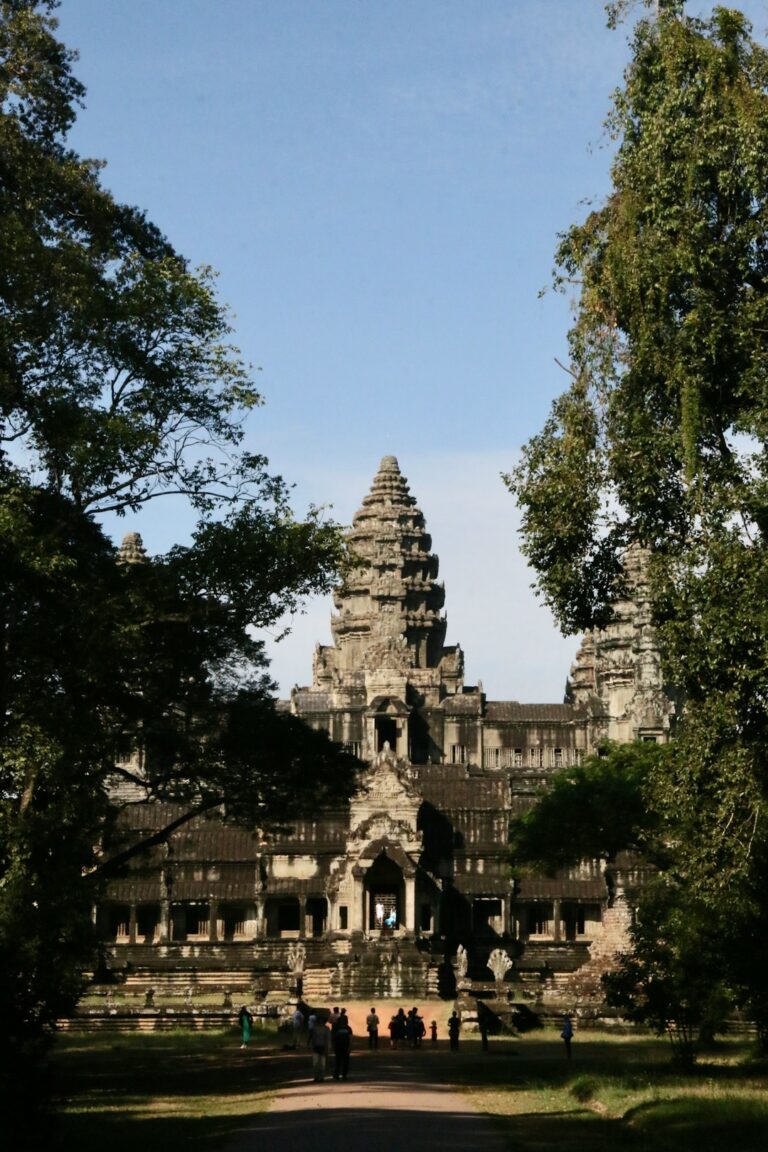
Angkor Wat, a breathtaking testament to the ingenuity of the Khmer Empire, stands as the world’s largest religious monument, its silhouette etched against the Cambodian sky. Constructed in the early 12th century, this architectural marvel was originally dedicated to the Hindu god Vishnu, later transforming into a Buddhist sanctuary, reflecting the region’s rich tapestry of cultural evolution. As you navigate the sprawling temple complex, the intricate bas-reliefs depicting scenes from Hindu mythology come alive, inviting you to trace the stories of ancient warriors and celestial dancers with your fingertips. The air is thick with the scent of frangipani and the distant echo of Buddhist chants, creating a serene ambiance that envelops visitors in spirituality. To preserve this UNESCO World Heritage site, conscious travelers are encouraged to tread lightly—opt for guided tours that promote sustainable tourism, respect the sacred spaces, and avoid the temptation of climbing on the ruins. By embracing responsible travel practices, we can honor the legacy of Angkor Wat, ensuring that future generations can also marvel at its timeless beauty and historical significance.
🛍️ Nature & Culture Store
🌿 Can You Do Angkor On Your Own?
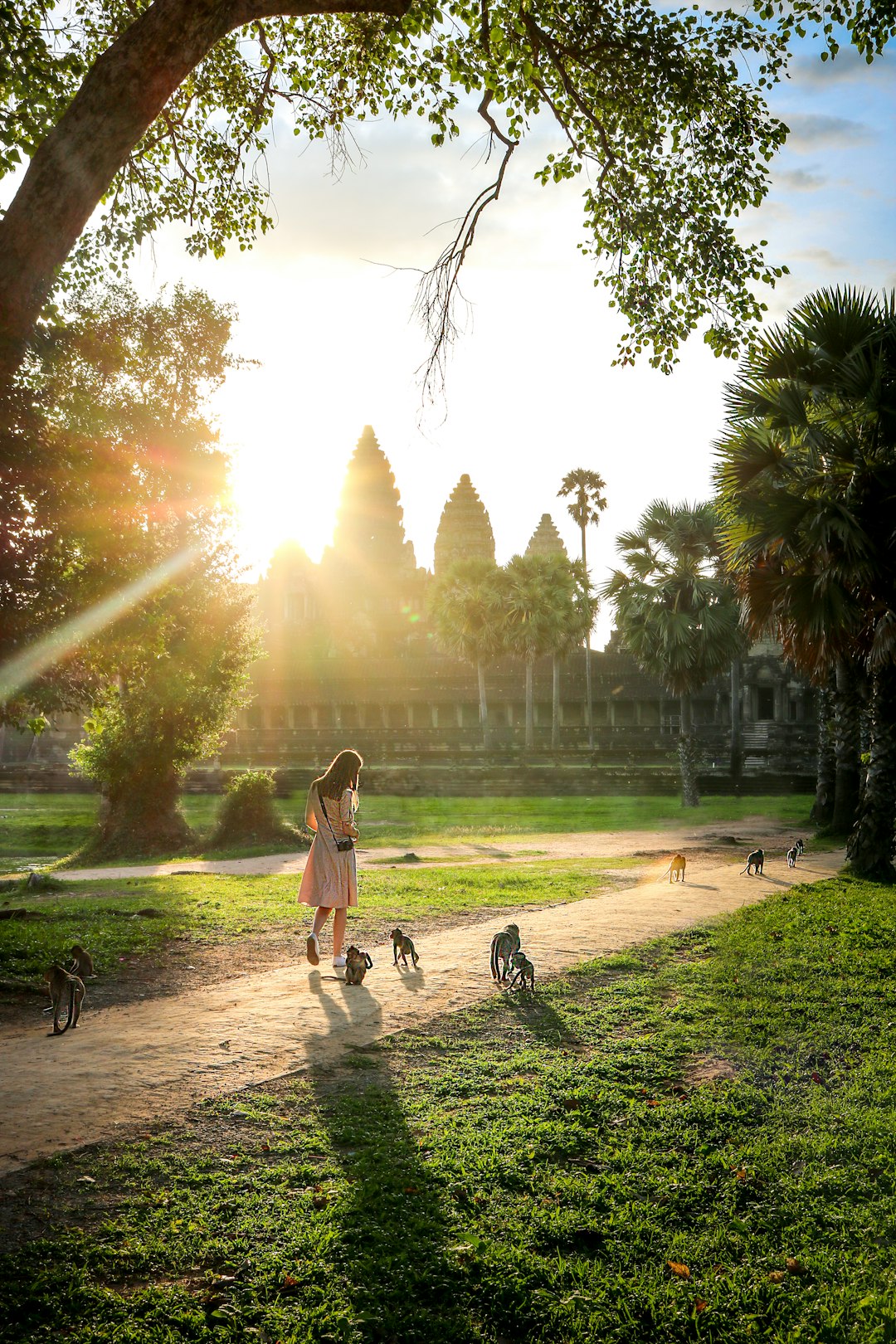
Exploring Angkor Wat independently is not just a journey through ancient stone, but an immersive experience steeped in the rich tapestry of Khmer heritage and the verdant landscapes of Cambodia. As the sun rises, the iconic silhouette of Angkor Wat emerges, its intricate bas-reliefs glimmering in the warm light, inviting you to wander through its hallowed halls and lush surroundings. While navigating the vast complex—over 162 hectares—you’ll find that a bicycle is a sustainable choice, allowing you to traverse the ancient pathways at your own pace and connect with the vibrant ecosystems that thrive alongside the ruins. Engage with the local community by sampling fresh fruit from nearby vendors, whose livelihoods depend on the preservation of this UNESCO World Heritage site. Remember to tread lightly, respecting both the fragile structures and the natural environment, ensuring that future generations can also marvel at this masterpiece of human creativity. With a little preparation and a spirit of adventure, you can discover Angkor’s secrets, making your visit not only memorable but also a testament to responsible travel.
🧭 What Year Angkor Built?
Constructed in the early 12th century, specifically between 1113 and 1150 CE, Angkor Wat stands as a testament to the ingenuity and artistry of the Khmer Empire, and it is the largest religious monument in the world. This architectural marvel, originally dedicated to the Hindu god Vishnu, is a breathtaking blend of spirituality and grandeur, its intricate bas-reliefs narrating tales of celestial battles and the cosmic order. As you wander through the temple’s expansive grounds, the warm sun casts a golden hue on the sandstone, while the scent of incense wafts through the air, inviting contemplation. Travelers can immerse themselves in the serene ambiance of the surrounding jungle, where ancient trees entwine with crumbling stones, illustrating nature’s reclamation of this sacred space. Engaging with local guides not only enriches your understanding of Angkor’s historical significance but also supports community-led conservation efforts, ensuring that this UNESCO World Heritage site remains a beacon of cultural resilience and environmental stewardship for generations to come. As you explore, remember that each footprint on this hallowed ground is a step through time, connecting past and present in an exquisite dance.

> History is not behind us — it walks beside us, breathing through temples, towers, and time.
🌍 Step into History – The City Through Centuries
> Every street carries a whisper of empires. Listen, and the stones will speak.
🚶 Historical Tours & Experiences – Walking Through Time

> Follow ancient paths, guided by stories of kings and dreamers, warriors and poets.
🏛️ Must-See Historical Sites – Guardians of Memory
> Each ruin is a reminder: what fades can still inspire; what’s silent can still teach.
🎥 Featured Historical Video – Past in Motion
🎥 Vietnamese Life in Cambodia. Tonle Sap’s Floating Village. A Kyle Le documentary — Nature & Culture
🏨 Stay Near the Landmarks – Nights Among Legends
> Sleep beneath domes and arches that have watched a thousand dawns.
Getting There – Pilgrimage To The Past
> The journey is part of the memory — let each mile teach you reverence.
📱 Stay Connected While Exploring – Share the Legacy
> History grows brighter when retold. Share what you find; the past loves to be remembered.
🛡️ Safety for History Travelers – Respect and Awareness
Stay aware of your surroundings when using headphones.

> Tread gently through sacred ground — it holds the weight of worlds.
💳 Budgeting Your Historical Journey – Wealth in Wisdom
ATMs in airports and hotels often have higher fees; withdraw in city centers instead.
> What you gain here cannot be bought — humility, wonder, and peace.
🌱 Sustainable Travel – Protecting the Past
Bring a cloth napkin to reduce paper waste.
> The ruins survive because someone cared — be that someone for the next century.
🎒 What to Bring – Prepared for Discovery
Use compression bags to maximize suitcase space.
- Stay Hydrated: Carry a reusable water bottle. Many destinations have refill stations, which saves money and reduces plastic waste.
- Respect Wildlife: Avoid feeding animals or getting too close. Observe from a distance.
- Carry Small Cash: In markets and small shops, cash is often preferred over cards. Keep small bills handy for smooth transactions.
> Bring curiosity and quiet — the two keys to any ancient gate.
🎥 Cultural Highlight – Echoes of Civilizations
🎥 Top attractions in Phnom Penh Cambodia 🇰🇭 2023 — Nature & Culture
🎥 Travel Vlog – Through Ancient Streets
🎥 Cambodia Street Food- Walking Tours – Siem Reap Riverside — Nature & Culture
🎥 Scenic Walkthrough – Beauty and Time
🎥 SIEM REAP, CAMBODIA TOP ATTRACTIONS | ANGKOR WAT & MORE — Nature & Culture
Reflections From The Past – Lessons Of Grace
The trail winds upward, dust rising with each step. Breath shortens, but so does the distance to the ridge. When you finally reach it, the world stretches out in silence, rewarding the climb with perspective.
“The road is never long when you have good company. – Turkish Proverb”
“There are no foreign lands. It is the traveler only who is foreign. – Robert Louis Stevenson”
In Ethiopia, the calendar is about seven years behind the Gregorian calendar.
> The past is not gone — it waits to be seen with eyes of faith and gratitude.
📸 Historical Gallery – Time Captured in Light
🎞️ Angkor-Wat Photo Gallery

📸 Photo by Tannis Sullivan

📸 Photo by Kittitep Khotchalee


📸 Photo by MD FARMAN

📸 Photo by Mufid Majnun

📸 Photo by Polina Koroleva

📸 Photo by Minh Pham

📸 Photo by Francesco La Corte

i am welcoming you all to my very first picture. i am saying my warmest greeting from yogyakarta, one of the most well-known parts of java island.
📸 Photo by Indra Wakhidatul

📸 Photo by Sovann Samedy
🎥 Video Gallery – History in Motion
🎬 Cinematic Video Gallery
🎞️ The Ultimate Cambodia Travel Guide | Phnom Penh & Siem Reap & Angkor Wat Must-Sees!
🎞️ Takeo province – Angkor Wat Tours – Tours of Cambodia – Phnom Penh Travel
Historical Faqs – Wisdom For Wanderers
How much should I tip when traveling abroad?
It depends on the country. In some places tipping is expected, while in others it’s not customary. Research local etiquette.
What is the best way to avoid roaming charges abroad?
Use a local SIM card, an eSIM, or international data plans. Free Wi-Fi is common but not always reliable.
Do I need travel insurance for international trips?
Yes. Travel insurance can cover medical emergencies, lost luggage, trip cancellations, and other unexpected events.
📚 Related Guides – More Stories to Uncover
🌐 Explore More Destinations – The World as a Museum
*May your path be guided by wonder, your steps by reverence, and your heart by peace — for history lives through those who listen.*