Cultural Significance of Food in Angkor
*Every flavor tells a story — a journey of soil, fire, and spirit shared across a table.*
—
🖼️ Visual Introduction – A Taste of Place
♿ Cultural Significance Of Food In Angkor
In the heart of Angkor, where ancient temples rise majestically from the lush Cambodian jungle, food serves as a delicious bridge between the past and present, reflecting the region’s rich cultural tapestry. Here, the aroma of lemongrass and the sizzling sound of street-side woks envelop you, inviting you to taste the vibrant flavors of Khmer cuisine. Don’t miss the chance to savor amok, a fragrant curry steamed in banana leaves that whispers tales of the Angkorian era, or try lok lak, where tender marinated beef is served with a squeeze of lime and a side of fresh vegetables. Each bite tells a story of tradition, influenced by centuries of trade and cultural exchange, as spices from India and techniques from China meld into unique local dishes. For an authentic experience, stroll through the bustling night markets where vendors proudly showcase their culinary heritage; it’s a chance to mingle with locals and perhaps pick up a few cooking tips. As the sun sets behind the stone faces of Bayon Temple, let the flavors of Angkor linger on your palate, a delicious reminder of the region’s enduring spirit.
💡 Is Angkor Open Every Day?
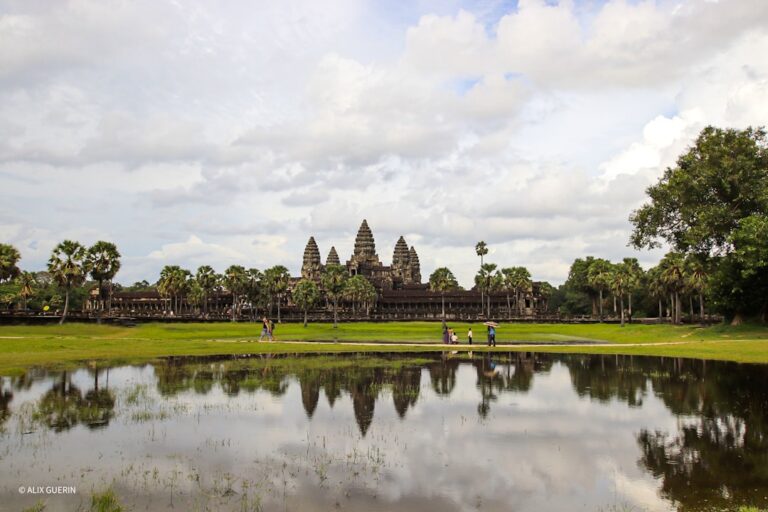
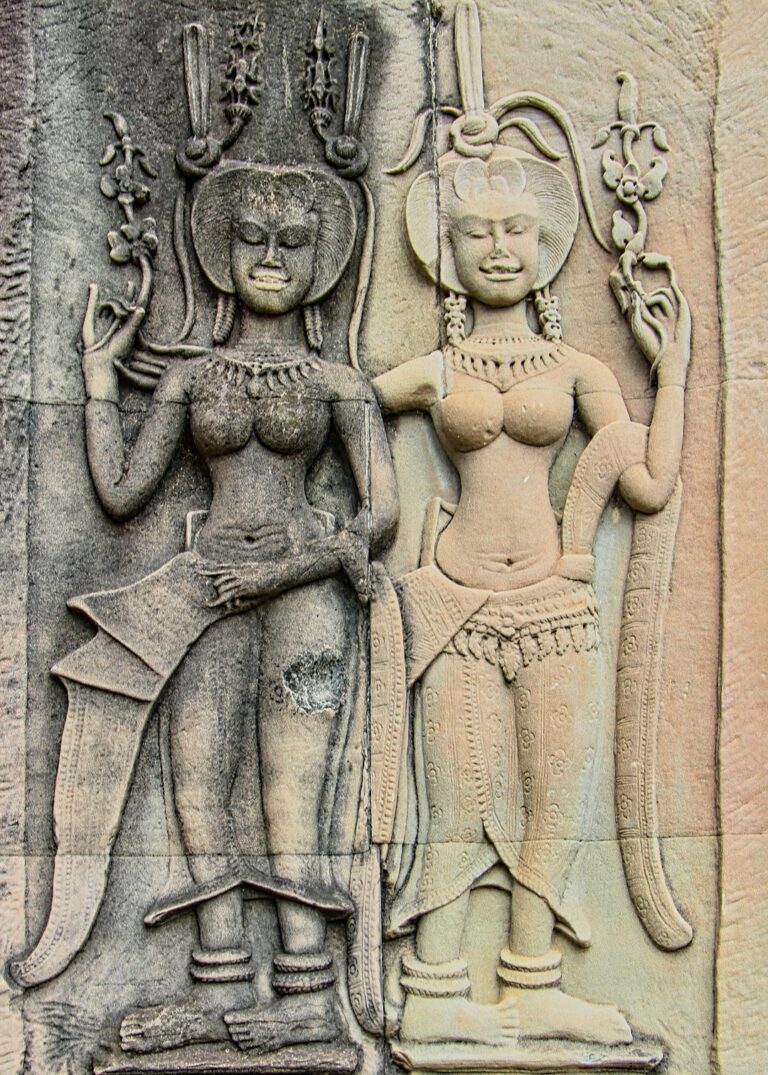
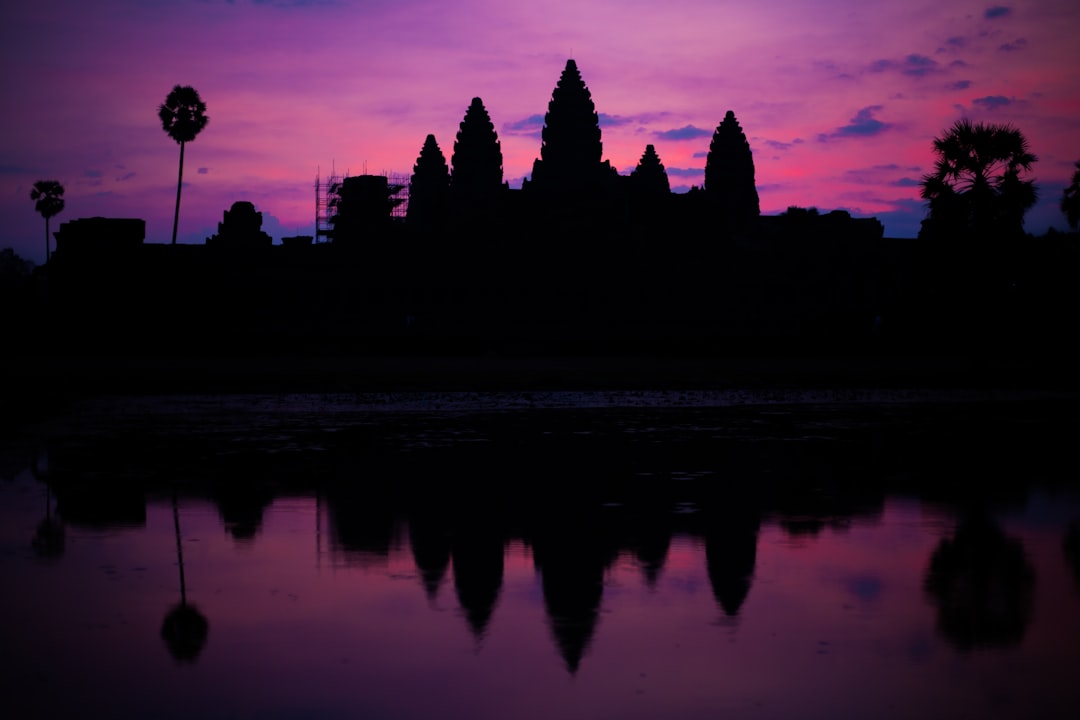
Angkor Wat, with its majestic spires piercing the Cambodian sky, is a breathtaking testament to the ingenuity of the Khmer Empire, and yes, it welcomes visitors every day of the week. The temple complex opens its gates at 5:00 AM, allowing early risers to witness the serene beauty of dawn as the sun casts a golden hue over the ancient stones, creating a mesmerizing reflection in the surrounding moat. Plan your visit wisely: while the mornings are blissfully cool, the afternoons can be sweltering, and the pathways can become crowded with fellow adventurers. Don’t forget to carry plenty of water and wear comfortable shoes—there’s a lot to explore! The ticket office operates daily, offering multi-day passes that allow you to immerse yourself in the rich history and spirituality that permeates this UNESCO World Heritage site. As you stroll through intricate bas-reliefs and towering trees reclaiming their ground, you’ll experience a vibrant tapestry of culture and nature, reminding you that this ancient wonder is not just a destination but a living, breathing story waiting to be discovered.
🛍️ Nature & Culture Store
🌿 Angkor Tree
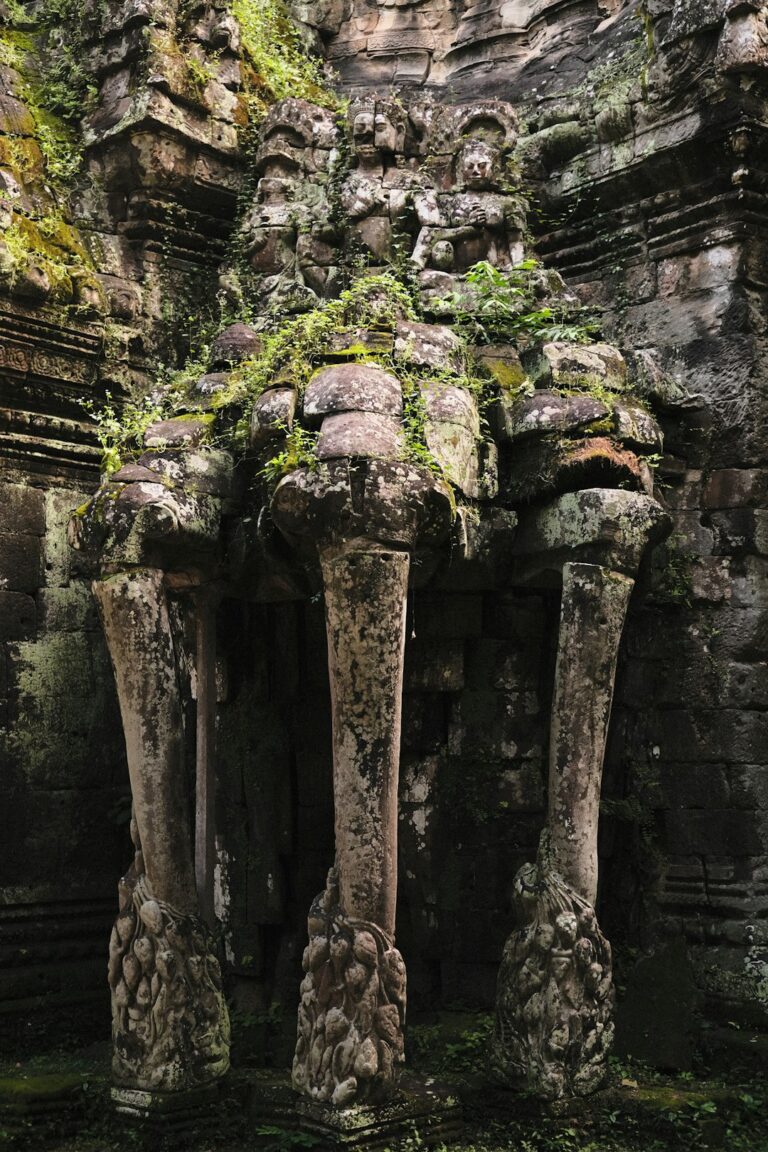
Amidst the magnificent ruins of Angkor Wat, where ancient stone carvings whisper the tales of a bygone era, one cannot help but be captivated by the iconic sight of the so-called “tree of Angkor.” This giant fig tree, with its gnarled roots entwined around the temple’s weathered stones, creates a surreal fusion of nature and architecture that feels almost magical. As you wander through the vast temple complex, the air is thick with the scent of damp earth and blooming jasmine, while the soft rustle of leaves provides a soothing symphony to your exploration. Be sure to bring your camera, as the interplay of light and shadow on the tree’s twisted branches creates a captivating backdrop at dawn or dusk. To fully appreciate this enchanting sight, arrive early to beat the crowds and bask in the serene atmosphere. As you stand in awe of the tree’s resilience, remember that it symbolizes the enduring spirit of Angkor itself—a testament to nature’s ability to reclaim and coexist with human creations over centuries.
🧭 How Visit Angkor?
Visiting Angkor Wat, the crown jewel of Cambodia’s ancient Khmer Empire, is like stepping into a living tapestry of history and nature, where the whispers of the past mingle with the rustling leaves of the surrounding jungle. Arrive early to witness the ethereal sunrise cast a golden hue over the temple’s intricate bas-reliefs, a sight that will linger in your memory long after your visit. As you explore the sprawling complex, take a moment to inhale the earthy scent of damp stone and tropical flora, and let the symphony of chirping cicadas and distant temple bells enchant your senses. Wear comfortable shoes—those sandstone pathways can be uneven—and don’t forget your sunscreen; the Cambodian sun can be relentless. A local guide can unveil the stories behind the towering spires and serpent-adorned staircases, while nearby, the enchanting Ta Prohm, with its tree-entwined ruins, offers a glimpse of nature’s reclamation. Remember to respect the sacredness of this UNESCO World Heritage Site by dressing modestly and savoring the serene atmosphere, as you uncover the secrets of a civilization that once flourished in this remarkable landscape.

> To taste a city is to understand it — its patience, its people, its quiet artistry.
🌍 Taste the Local Flavors – Culinary Encounters
> Every meal is an act of connection — between cultures, generations, and hearts.
🚶 Food Tours & Experiences – Guided by Flavor

> Follow the aroma of spices and laughter — stories simmer in every kitchen.
🏛️ Markets, Cafés & Street Eats – The City’s Table
> Wander through color and chaos — where life tastes fresh and memory lingers sweet.
🎥 Featured Food Video – The Art of Eating Well
🎥 Siege of Angkor (Khmer empire vs Kingdom of Champa) — Nature & Culture
🏨 Where to Stay Near Culinary Hotspots – Rest After Flavor
> Hospitality is the fifth ingredient — comfort seasoned with care.
Getting There – Journey Of The Palate
> Travel hungry — for beauty, for flavor, for understanding.
📱 Stay Connected While Exploring – Share the Taste
> Share your table, not just your feed — the best meals are told in stories, not posts.
🛡️ Food Safety & Confidence – Eat with Ease
Research common local scams before arriving in a new destination.

> Trust your senses, honor local wisdom — safety begins with respect.
💳 Budgeting for Food Lovers – Value in Every Bite
Some countries require exact change for buses or trains.
> The richest meals often come from the humblest kitchens.
🎒 Eating Smart & Sustainable – Gratitude in Action
Use compression bags to maximize suitcase space.
Bring a cloth napkin to reduce paper waste.
- Stay Alert in Traffic: In some countries, traffic rules are loosely followed. Cross streets with care.
- Try Local Food Safely: Street food can be amazing, but look for stalls with long lines and fresh turnover.
- Use Local Transport: Buses, trains, or tuk-tuks are not only budget-friendly but also a great way to experience daily life.
> Eat mindfully — the earth offers her gifts; we return thanks with care.
🎥 Culinary Highlights – Stories Through Taste
🎥 Cambodia’s Street Food Dollar Menu!! Cheapest in Asia!! — Nature & Culture
🎥 Living in Cambodia 4k | $270,000 House Tour | Walking Tour inside Borey Phnom Penh Thmey — Nature & Culture
🎥 SIEM REAP, CAMBODIA Vlog | Why it Became a Favorite Place 🇰🇭 — Nature & Culture
> In every dish, a memory; in every flavor, a map.
Flavorful Reflections – Wisdom From The Table
The notes of a guitar or flute drift through the street. Passersby slow down, some joining in song, others simply smiling as they walk. For a moment, the whole neighborhood shares the same rhythm.
“Don’t listen to what they say. Go see. – Chinese Proverb”
“Travel is rebellion in its purest form. – Anonymous”
The world’s largest desert is Antarctica, not the Sahara.
> Food teaches patience, gratitude, and joy — the quiet faith of daily life.
📸 Local Flavors Gallery – Beauty You Can Taste
🎞️ Angkor-Wat Photo Gallery

📸 Photo by Karl Janisse

📸 Photo by Thoeun Ratana

📸 Photo by Pramod Kumar Sharma

📸 Photo by Siborey Sean

📸 Photo by Hugo Cornuel

📸 Photo by Lidia Stawinska

📸 Photo by CJ

📸 Photo by Simone Dinoia

📸 Photo by Michael Payne

📸 Photo by Geoff Greenwood
🎥 Video Gallery – Journeys Through Taste
🎬 Cinematic Video Gallery
🎞️ ANGKOR WAT – LARGEST HINDU TEMPLE || VLOG #15
🎞️ Vlog – E476 – “I Just Wanted To Relax Today!!” 🇰🇭 Siem Reap
Food & Drink Faqs – Eat Well, Travel Better
What’s the best way to exchange money abroad?
Avoid airport counters. Use ATMs in banks or prepaid travel cards for better exchange rates.
How can I find cheap flights?
Book early, use flexible dates, and compare prices on multiple flight search engines.
How do I handle cultural differences?
Research local customs, dress appropriately, and be respectful of traditions. A smile goes a long way.
📚 Related Guides – More to Savor
🌐 Explore More Destinations – Flavors of the World
*May each meal remind you that culture lives not in monuments — but in the hands that cook and the hearts that share.*