UNESCO Treasures of Angkor: A Cultural Journey
*To stand at a World Heritage site is to meet eternity —
where nature, culture, and human spirit converge.*

—
🖼️ Visual Introduction – Echoes of Civilization
♿ Unesco Treasures Of Angkor: A Cultural Journey
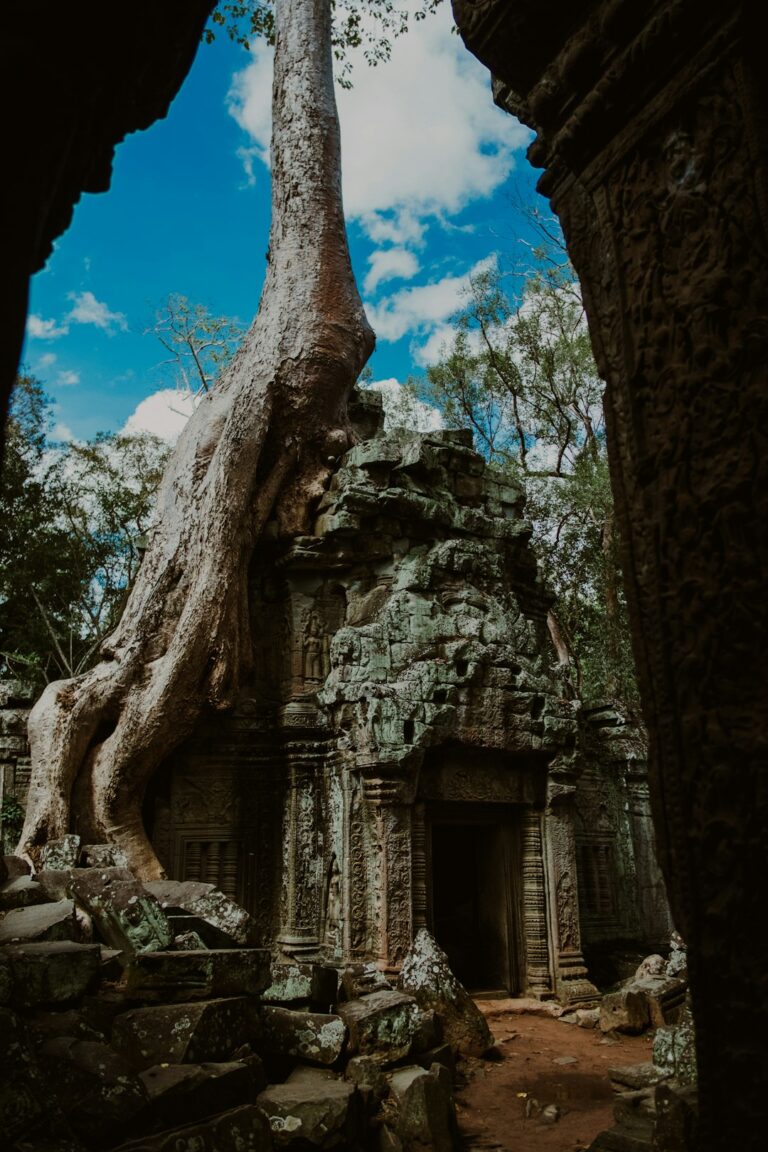
Nestled in the verdant embrace of Cambodia, the UNESCO World Heritage Site of Angkor stands as a testament to the ingenuity of the Khmer Empire, its temples whispering tales of glory and devotion. As you wander through the intricate corridors of Angkor Wat, the world’s largest religious monument, the air is thick with the scent of damp earth and blooming frangipani, while the sun casts golden hues upon the ancient sandstone. Each temple, from the mesmerizing faces of Bayon to the majestic Ta Prohm, entwined with the roots of towering trees, reveals the harmony between human artistry and nature. Engage with local guides, whose ancestral knowledge breathes life into the stones, and consider supporting community-led initiatives that prioritize heritage preservation and sustainable tourism. As you explore this sacred landscape, tread lightly—your footsteps echo not just through history, but also into the future, where responsible travel practices can help safeguard this irreplaceable treasure for generations to come. Embrace the spirit of Angkor, and leave behind not just memories, but a legacy of respect and stewardship for our planet’s cultural wonders.
💡 Angkor Date Built
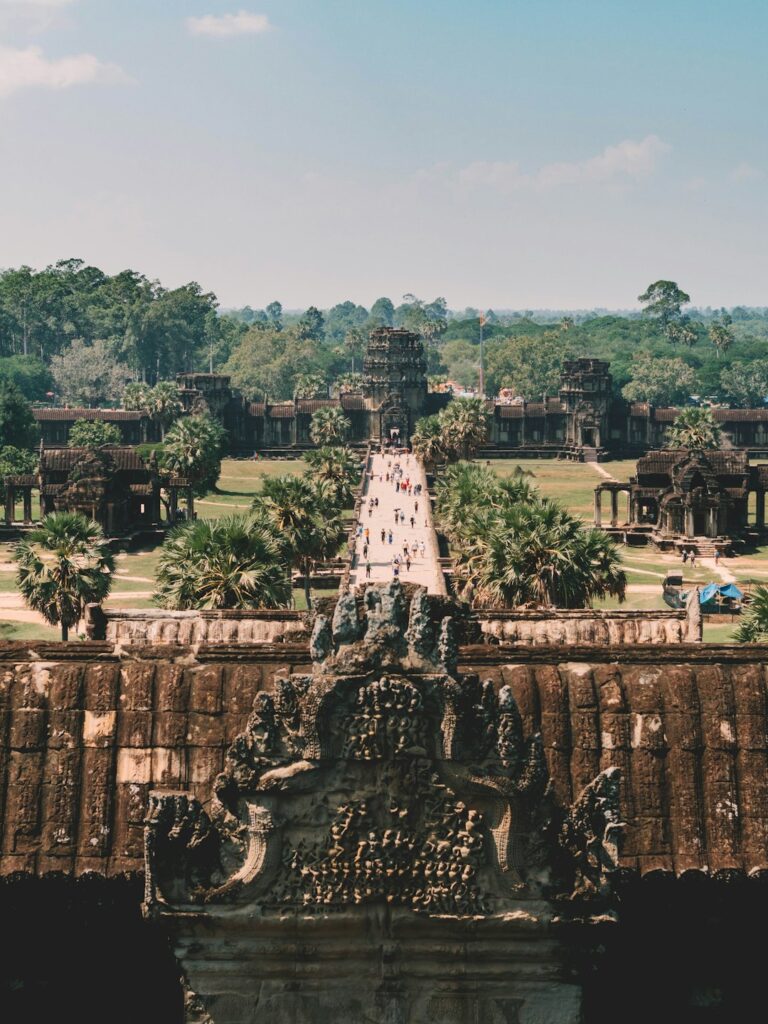
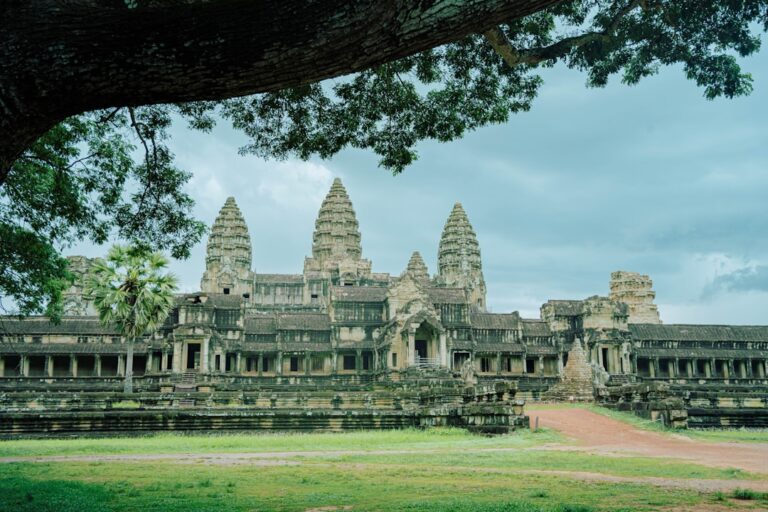
Angkor Wat, an architectural marvel and the crown jewel of the Angkor complex, was originally constructed in the early 12th century under the reign of King Suryavarman II, intended as a Hindu temple dedicated to the god Vishnu. This sprawling UNESCO World Heritage site, enveloped by lush jungle and a serene moat, invites travelers to wander among its intricate bas-reliefs and soaring towers, which echo the grandeur of the Khmer Empire at its zenith. As the sun rises, casting a golden hue over the sandstone blocks, visitors are treated to a breathtaking spectacle that stirs the soul and sparks curiosity about the rich history that shaped this sacred space. While exploring the labyrinthine corridors and hidden alcoves, one can appreciate the ongoing efforts in heritage preservation that strive to protect Angkor’s delicate ecosystem and cultural significance. It is vital for travelers to tread lightly, respecting the site’s sanctity and supporting local communities through sustainable tourism practices. By doing so, one not only enriches their own experience but also contributes to the enduring legacy of this magnificent testament to human ingenuity and devotion.
🛍️ Nature & Culture Store
🌿 Weather Angkor
As dawn breaks over the ancient spires of Angkor Wat, the first rays of sunlight bathe the intricate sandstone carvings in a warm golden hue, illuminating the temple’s grandeur and inspiring a sense of reverence for the Khmer civilization that once flourished here. The weather in Siem Reap, where Angkor Wat resides, is predominantly tropical, characterized by a wet season from May to October and a dry season from November to April. Visiting during the cool, dry months offers the most pleasant temperatures, ranging from 20 to 30 degrees Celsius (68 to 86 degrees Fahrenheit), perfect for exploring the sprawling temple complex. However, the rainy season, while humid and sweltering, transforms the surrounding landscape into a lush green paradise, revealing the vibrant biodiversity of the region. Travelers should pack lightweight, breathable clothing and sturdy footwear for navigating the ancient stone pathways and be mindful of the cultural significance of this UNESCO World Heritage site. Embracing sustainable practices, such as using refillable water bottles and respecting the local environment, enriches the experience, allowing visitors to connect deeply with both the history and the natural beauty of Angkor.
🧭 Angkor 3 Day Itinerary
Embark on a three-day journey through the enchanting ruins of Angkor, a UNESCO World Heritage site that whispers tales of the Khmer Empire’s glory. Begin your adventure at dawn, when the golden rays of the sun illuminate the iconic silhouette of Angkor Wat, its lotus-bud towers reflecting in the tranquil waters of the surrounding moat. As you wander through its intricate bas-reliefs, the scent of damp earth and ancient stone fills the air, grounding you in its rich history. Day two beckons you to the mystical Ta Prohm, where colossal tree roots entwine with crumbling walls, creating a breathtaking tableau of nature reclaiming its space. Here, the symphony of chirping birds and rustling leaves envelops you in serenity. On your final day, explore the majestic Bayon Temple, where the enigmatic faces of Avalokiteshvara gaze benevolently upon you, each smile a reminder of the region’s spiritual heritage. As you traverse this sacred landscape, consider the importance of sustainable tourism; respect the delicate ecosystems and local cultures that continue to thrive amidst these ancient stones, ensuring that Angkor’s legacy endures for generations to come.
> These stones remember.
> Every pillar, carving, and pathway holds whispers of devotion, artistry, and timeless wisdom.
🌍 Exploring a World Heritage Site – Walking Through Legacy
> Every UNESCO site tells humanity’s collective story — a bridge between what was and what still could be.
🚶 Guided Heritage Tours & Experiences – Step with Understanding

> Let expert guides unfold centuries before your eyes — stories of kings, builders, pilgrims, and dreamers.
🏛️ UNESCO Landmarks & Attractions – Where Spirit Meets Stone
> True monuments don’t only rise above us — they live within us.
> These places teach reverence, resilience, and remembrance.
🎥 Featured UNESCO Video – The Soul of a Civilization
🎥 Cambodia – Angkor Wat – Psyko VLOG #42 — Nature & Culture
> Watch history breathe — beauty, fragility, and faith interwoven in motion.
Stories From The Past – Echoes And Enlightenment
The table is crowded with dishes, some familiar, others mysterious. Laughter flows as stories are exchanged over bowls of rice, bread, or soup. A shared meal becomes more than food — it’s connection, generosity, and belonging.
“Who lives sees, but who travels sees more. – Arab Proverb”
“The impulse to travel is one of the hopeful symptoms of life. – Agnes Repplier”
Finland has more saunas than cars.

— Geoff Greenwood
> Heritage is not just about what remains — it’s about what we remember to carry forward.
> In honoring the past, we find our place in the present.
🏨 Staying Near the Heritage Site – Rest Where History Sleeps
> Choose accommodations that respect both heritage and harmony — a balance of comfort and conscience.
Reaching The Heritage Destination – Paths Of Pilgrimage
> Every journey to a sacred site is a quiet pilgrimage — even if made by plane.
📱 Stay Connected While Exploring – Memory Meets Modernity
> Connection lets us share these wonders — yet presence ensures we truly see them.
🛡️ Heritage Safety & Responsible Travel – Protecting What Endures
Know the location of the nearest hospital or clinic in your destination.
> To travel here is a privilege.
> To travel responsibly is an act of preservation.
💳 Budgeting for a UNESCO Visit – Value Beyond Currency
Keep a small stash of emergency cash hidden separately from your wallet.
> The greatest investment is reverence — understanding the worth of what cannot be rebuilt.
🎒 Packing & Sustainable Travel – Care in Every Choice
Bring a small padlock for lockers or zippers in budget stays.
Travel with rechargeable batteries instead of disposable ones.
- Pack Light: A smaller bag makes moving around easier. Most people wear only half of what they pack.
- Learn Basic Phrases: Knowing a few local words for greetings and thanks can open doors and show respect.
- Eco-Friendly Choices: Say no to plastic bags, bring a reusable tote, and choose eco-certified tours when possible.
> Bring lightness and respect.
> Leave only footprints; take only perspective.
🎥 Heritage Vlog – Journeys Through Time
🎥 Vlog – E470 – “This Rain Is Relentess!!” 🇰🇭 Siem Reap — Nature & Culture
🎥 Cultural Highlight – Living Traditions
🎥 Best Tips for Visiting Angkor Wat | Siem Reap, Cambodia – How to Beat The Crowds — Nature & Culture
🎥 Scenic Walkthrough – Beauty Preserved
🎥 Gordon Ramsay Helps A Cambodian Tribe Butcher And Cook Buffalo | Gordon’s Great Escape — Nature & Culture
> The landscape itself becomes scripture — a sacred record of balance and belonging.
📸 UNESCO Heritage Gallery – Time Captured in Light
🎞️ Angkor-Wat Photo Gallery

📸 Photo by Siborey Sean

📸 Photo by William Zhang

📸 Photo by Mufid Majnun

📸 Photo by Sandra Mosconi

📸 Photo by Aritra Roy

📸 Photo by Siborey Sean

📸 Photo by Siborey Sean

📸 Photo by MD FARMAN

📸 Photo by Deepavali Gaind
🎥 Video Gallery – History in Motion
🎬 Cinematic Video Gallery
🎞️ THAILAND v CAMBODIA v VIETNAM – Which is BETTER in 2023?
🎞️ |4K videos| Daily tour, Cambodia Travel on the street Siem Reap Smart city 2022 | Beautiful city |
Unesco Heritage Faqs – Wisdom For Visitors
How can I find cheap flights?
Book early, use flexible dates, and compare prices on multiple flight search engines.
What should I do if I get sick abroad?
Seek local medical care, use your travel insurance, and contact your embassy if hospitalization is required.
What documents should I carry?
Keep your passport, visa (if required), travel insurance details, and copies of tickets. Digital backups are also useful.
📚 Related Guides – The Thread of Humanity
🌐 Explore More Destinations – Beyond Borders, Beyond Time
*May you walk gently among ruins that still breathe,
and remember — heritage is humanity’s shared heartbeat.*