How Volunteering Changed My Trip to Angkor
*To serve is to travel deeper — beyond places, into people, and into purpose.*

—
🖼️ Visual Introduction – The Heart of Purpose
♿ How Volunteering Changed My Trip To Angkor?
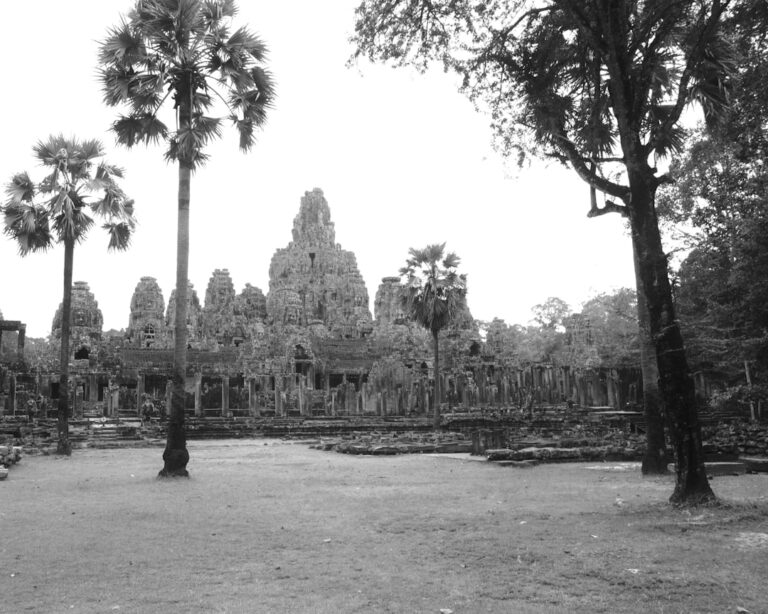
Volunteering in Angkor transformed my journey from mere sightseeing into a profound engagement with the heart of Cambodia’s cultural heritage. Amidst the towering spires of the Bayon Temple, where intricate carvings tell stories of a bygone era, I joined a local initiative focused on preserving this UNESCO World Heritage Site. Each morning, as the golden sun cast a warm glow over the ancient stone, I helped restore pathways overgrown with lush ferns and vibrant orchids, revitalizing access for future generations. The air was redolent with the scent of damp earth and blooming frangipani, and the gentle sounds of artisans crafting traditional silk echoed in the background. Interacting with the local community revealed the importance of sustainable tourism; I learned that responsible travel can empower locals, preserving both their culture and the fragile ecosystems of the surrounding jungles. This experience deepened my appreciation for Angkor, not just as a relic of history, but as a living tapestry woven with the threads of community and stewardship, reminding all who visit that true exploration lies in connection and conservation.
💡 When Was Angkor Converted To Buddhism
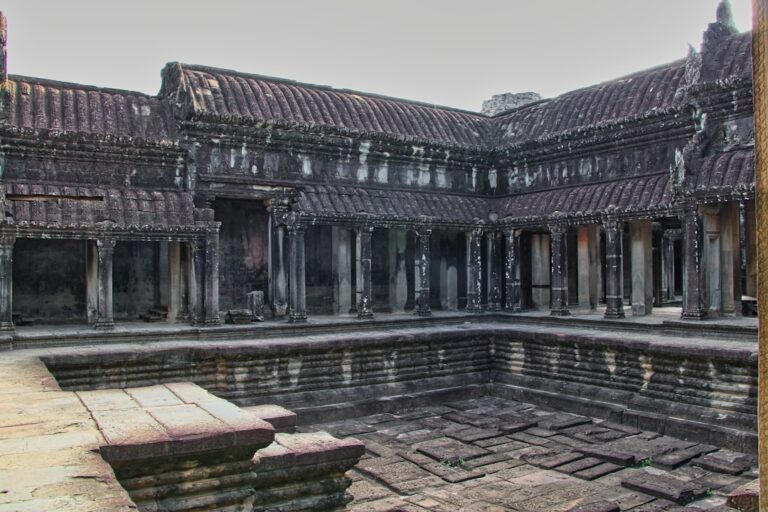
Nestled within the lush, emerald heart of Cambodia, Angkor Wat stands as a testament to both architectural grandeur and spiritual evolution. Originally constructed in the early 12th century as a Hindu temple dedicated to the god Vishnu, this magnificent complex began its transformation into a Buddhist sanctuary during the late 13th century. As the Khmer Empire embraced Buddhism, the intricate bas-reliefs depicting Hindu mythology gradually gave way to Buddhist iconography, reflecting a profound cultural shift. Today, visitors can wander through the sprawling temple grounds, where the scent of incense mingles with the earthy aroma of ancient stone, while the serene sound of chanting monks resonates through the air. The interplay of sunlight filtering through towering trees casts a dappled glow on the intricately carved walls, inviting deeper reflection on the sacredness of this site. Travelers are encouraged to engage with local communities and partake in responsible tourism practices, ensuring that the legacy of Angkor Wat—both its historical significance and its natural beauty—endures for generations to come.
🛍️ Nature & Culture Store
🌿 How Old Is Angkor?
Angkor Wat, a magnificent testament to the ingenuity of the Khmer Empire, was originally constructed in the early 12th century, with its completion dated around 1150 AD. As you wander through this sprawling temple complex, the air is thick with the scent of damp earth and the distant call of tropical birds, transporting you back to an era of divine kings and celestial aspirations. This UNESCO World Heritage site, which spans over 162 hectares, was initially built as a Hindu temple dedicated to the god Vishnu but later transformed into a Buddhist sanctuary, embodying the harmonious blend of cultural influences that characterize Cambodia’s rich history. Visitors can marvel at the intricate bas-reliefs depicting ancient battles and celestial beings, which seem to come alive under the dappled light filtering through the towering trees that encircle the structure. In an era where the preservation of such historical gems is vital, Angkor Wat stands as a beacon of sustainable tourism, reminding us of our responsibility to honor and protect this architectural wonder for future generations. As you explore, tread lightly and respect the sanctity of this ancient site, ensuring that its beauty endures amidst the lush Cambodian landscape.
🧭 Angkor Drawing
Angkor Wat, a breathtaking testament to Khmer ingenuity, stands as the largest religious monument in the world, captivating visitors with its intricate bas-reliefs and soaring towers that mimic the sacred mountain Meru. As the sun rises, casting a golden hue over the sandstone, the ethereal beauty of its silhouette reflected in the surrounding moats invites artists and travelers alike to capture its essence through drawing. Each stroke of the pencil or brush reveals not just the architectural grandeur but also the stories etched in stone—depictions of ancient battles, celestial dancers, and the daily lives of the Khmer people. For the environmentally conscious traveler, engaging in art amidst this UNESCO World Heritage site offers an opportunity to connect with its heritage while promoting sustainable tourism. Pack sketchbooks and biodegradable art supplies, and consider visiting during the cooler hours, immersing yourself in the serenity of dawn or dusk when the site is less crowded. In fostering a deeper appreciation for Angkor’s cultural treasures, each drawing becomes a tribute to the delicate balance between preservation and the artistic spirit that celebrates this remarkable sanctuary of human history.
> True travel transforms when it stops being about seeing — and begins to be about serving.
🌍 Purposeful Journeys – Traveling with Intention
Loading tours…
> In every village, school, or community garden, you’ll find the quiet rhythm of humanity working together for something greater.
🚶 Volunteer Tours & Experiences – Compassion in Motion

> Join projects that heal the earth, empower families, and celebrate cultural exchange — where generosity is the universal language.
🏛️ Community Projects & NGO Highlights – Building Bridges, Not Borders
> Each NGO tells a story of courage — locals solving local challenges, and travelers becoming allies, not saviors.
🎥 Featured Volunteer Travel Video – Hope in Action
🎥 KRUD BEER PRESENTS Water Festival Concert in Siem Reap 8K 4K VR180 3D (Travel Videos ASMR Music) — Nature & Culture
> Watch compassion at work — hands planting trees, laughter in classrooms, and change unfolding one small act at a time.
Stories Of Service & Impact – Grace In Action
Through the train window, landscapes unfold like chapters: fields, towns, forests, mountains. Strangers share snacks, a song drifts from a seat nearby, and the rhythm of the tracks turns the journey itself into a memory.
“The traveler sees what he sees, the tourist sees what he has come to see. – G.K. Chesterton”
“Like all great travelers, I have seen more than I remember, and remember more than I have seen. – Benjamin Disraeli”
The world’s largest desert is Antarctica, not the Sahara.

> Service is the soul’s way of saying “thank you” to the world.
> The smallest kindness, given with sincerity, multiplies without measure.
🏨 Stays with a Purpose – Rest that Rebuilds
> Choose lodges that give back — where every night’s stay supports education, conservation, or community uplift.
Getting To Your Placement – Paths Of Generosity
> Every journey toward service begins with a single step — or a single flight booked with mindfulness.
📱 Staying Connected Abroad – Communication with Care
> Stay connected to share your story — and stay present to listen to others.
🛡️ Volunteer Safety & Insurance – Protection for Purpose
If renting a scooter or car, always wear a helmet/seatbelt.
> Safety allows service to flourish.
> Responsibility protects both travelers and the communities they come to uplift.
💳 Budgeting for Volunteer Travel – Generosity Within Means
Keep a small stash of emergency cash hidden separately from your wallet.
> Giving is not about wealth — it’s about willingness.
> Even small contributions ripple outward with impact.
🎒 Packing with Purpose – Carry Only What Counts
Carry a travel pillow for comfort on long journeys.
Don’t print maps unnecessarily — download offline maps instead.
- Ask Locals: Locals often know the best places to eat, shop, or avoid. Don’t be afraid to ask politely.
- Try Local Food Safely: Street food can be amazing, but look for stalls with long lines and fresh turnover.
- Watch Your Belongings: Use a crossbody bag and keep valuables close in crowded areas to avoid pickpockets.
> Bring essentials, empathy, and an open heart.
> Everything else can be borrowed, shared, or left behind.
🎥 Volunteer Stories Vlog – Real Journeys, Real Change
🎥 TEMPLES OF ANGKOR, CAMBODIA – 4K CINEMATIC VIDEO — Nature & Culture
🎥 Cultural Encounters – Understanding Beyond Words
🎥 Virtual walk trip Angkor Wat – Cambodia — Nature & Culture
🎥 Scenic Reflections – Beauty with Meaning
🎥 Cambodia itinerary #cambodia #dimaaktours #travel #travelwithdimaak #itinerary — Nature & Culture
> In giving, we rediscover the beauty that never asks to be owned — only honored.
📸 Volunteer Travel Gallery – Hands, Hearts, Horizons
🎞️ Angkor-Wat Photo Gallery

📸 Photo by Somoun Bo

📸 Photo by User_Pascal

📸 Photo by Tien Anh Bui

📸 Photo by Prabu Panji

📸 Photo by Siborey Sean

📸 Photo by Marco De Gregorio

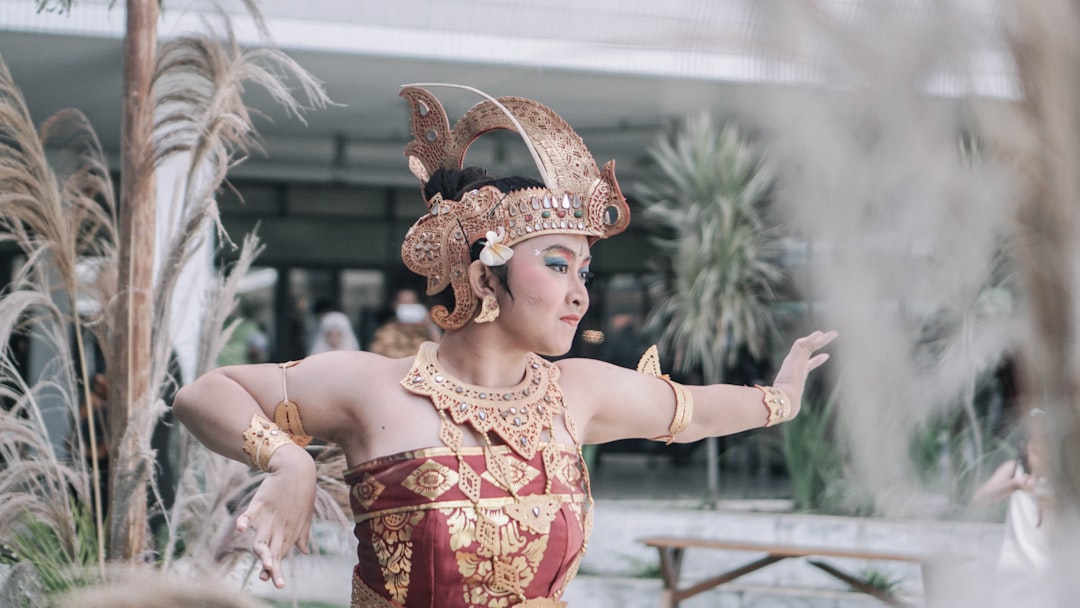
once a year she comes out and attends “usaba puseh” ceremony at the temple. it was a very rare moment to see.
ngis village – karangasem. bali.
📸 Photo by Dendy Darma Satyazi

📸 Photo by Sheila C

📸 Photo by loli mass

📸 Photo by Siborey Sean
🎥 Video Gallery – Purpose in Motion
🎬 Cinematic Video Gallery
🎞️ Cambodia: Visa On Arrival at Phnom Penh airport (2025) (4K) FULL GUIDE
🎞️ Vlog – E488 – “A Mental Health Check In!!” 🇰🇭 Siem Reap
Volunteer Travel Faqs – Wisdom For Compassionate Travelers
How do I stay healthy while traveling?
Drink bottled or filtered water, wash hands often, get enough rest, and carry basic medicine for common issues.
How do I handle cultural differences?
Research local customs, dress appropriately, and be respectful of traditions. A smile goes a long way.
Do I need an adapter for my electronics?
Yes, many countries have different plug types and voltages. A universal adapter is highly recommended.
📚 Related Guides – Learn, Serve, Inspire
🌐 Explore More Destinations – Where Purpose Meets Place
*May your journey bless the world — and may the world bless you in return.*