Where to Eat Like a Local in Angkor
*Every flavor tells a story — a journey of soil, fire, and spirit shared across a table.*
—
🖼️ Visual Introduction – A Taste of Place
♿ Where To Eat Like A Local In Angkor?
When it comes to dining like a local in Angkor, the vibrant streets of Siem Reap are your culinary canvas. Just a stone’s throw from the ancient temples, you’ll find bustling night markets where sizzling skewers of marinated meats and fresh spring rolls tempt your senses. Dive into the ever-popular street food stalls, where vendors whip up bowls of fragrant Khmer noodles, their aromatic broths wafting through the air, mingling with the sweet scent of tropical fruits. For an authentic experience, head to a family-run eatery like ‘Marum,’ where the menu features traditional dishes like Fish Amok—tender fish simmered in a coconut curry, served in a banana leaf. As you savor each bite, listen to the laughter of locals enjoying their meals, and soak in the warm, communal atmosphere. And don’t forget to wash it all down with a refreshing glass of sugarcane juice, a local favorite. The rich flavors and welcoming ambience will transport you, offering a delicious taste of Khmer culture amid the awe-inspiring backdrop of ancient stone temples.
💡 How Best To Visit Angkor?
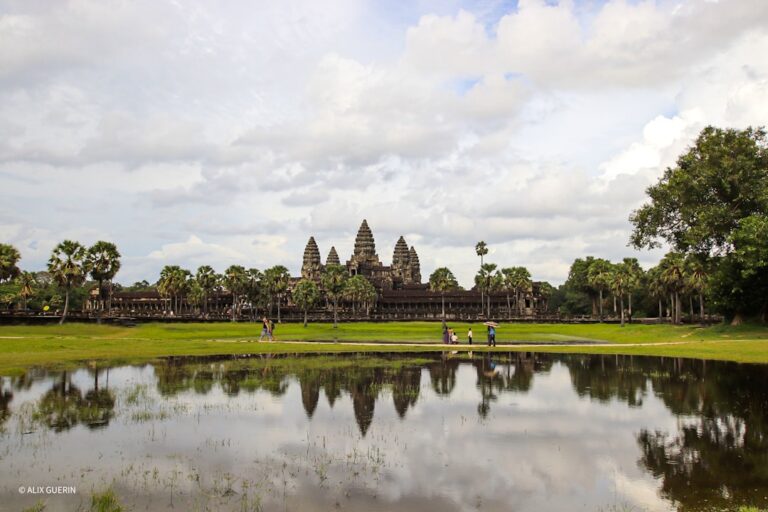
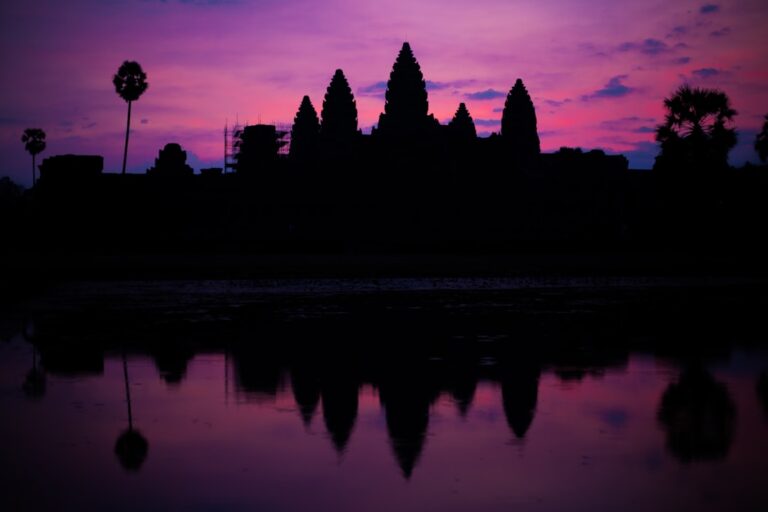
Visiting Angkor Wat is like stepping into a living canvas of history, where the air is thick with the scent of jasmine and the sound of distant temple bells mingles with the rustle of palm leaves. To truly appreciate this monumental UNESCO World Heritage site, start your journey at dawn, when the soft light casts a golden hue over the temple’s intricate carvings, and the reflection in the surrounding moat creates a breathtaking mirror image. Arrive early to beat the crowds; a bicycle ride through the quiet paths leading to the temple is a delightful way to soak in the serene atmosphere. Don’t forget to bring plenty of water and comfortable shoes, as exploring the sprawling complex can easily consume an entire day. Engage with the local guides, who are often filled with stories of the Khmer Empire’s grandeur, and consider visiting lesser-known temples like Ta Prohm, where nature’s embrace entwines with ancient stone. As you wander, let the whispers of history and the vibrant culture of Siem Reap enrich your experience, reminding you that Angkor Wat is not just a monument, but a living testament to human artistry and devotion.
🛍️ Nature & Culture Store
🌿 What Are Three Interesting Facts About Angkor?
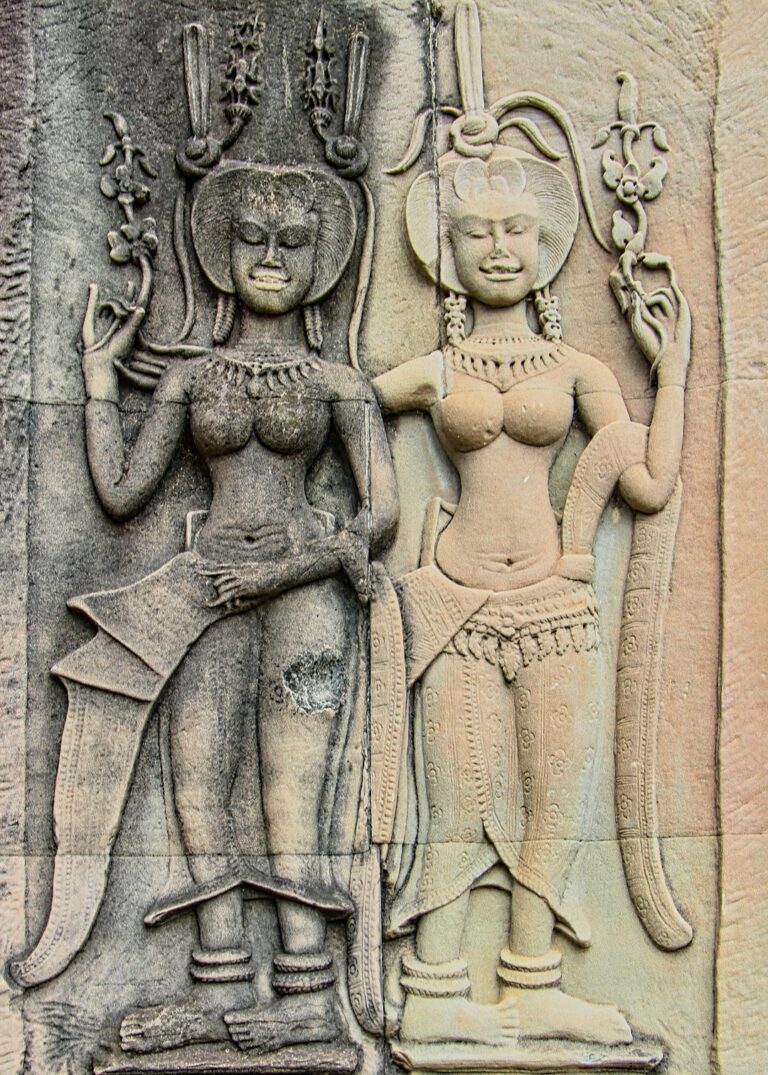
As you wander through the sprawling complex of Angkor Wat, the sun rising over its majestic spires casts a golden glow, revealing the intricate carvings that tell tales of ancient Khmer mythology. Did you know that Angkor Wat, originally built in the early 12th century as a Hindu temple dedicated to Vishnu, is the largest religious monument in the world? This UNESCO World Heritage site covers an impressive area of over 162 hectares, making it a playground for both history buffs and curious travelers alike. Another fascinating tidbit: the temple’s layout is designed to represent an earthly model of the universe, with the central tower symbolizing Mount Meru, the center of the universe in Hindu and Buddhist cosmology. Finally, keep an eye out for the famous Apsara dancers, depicted in exquisite bas-reliefs throughout the temple, as they embody grace and beauty—much like the experience of exploring this breathtaking site itself. Don’t forget to bring plenty of water and wear comfortable shoes; the vast grounds invite exploration, but the Cambodian heat can be relentless!
🧭 Why Was Angkor Abandoned?
Angkor Wat, the crown jewel of Cambodia’s ancient Khmer Empire, is a mesmerizing testament to human ingenuity, yet its abandonment is steeped in mystery and intrigue. As you wander through the sprawling temple complex, the scent of damp earth mingles with the faint whisper of history, evoking a sense of wonder. Built in the early 12th century, this architectural marvel was not just a place of worship but a vibrant urban center that thrived for centuries. However, by the 15th century, it was largely abandoned, possibly due to a combination of factors such as climate change, shifting trade routes, and political turmoil. This dramatic shift led to the decline of the Khmer Empire and left the once-bustling city enveloped in the jungle’s embrace. As you explore, take a moment to appreciate the intricate bas-reliefs and towering spires, imagining the bustling life that once filled these sacred spaces. To fully immerse yourself, visit during sunrise when the golden rays illuminate the temple, casting a spell that bridges the past with the present, reminding us of the transience of human endeavor.

> To taste a city is to understand it — its patience, its people, its quiet artistry.
🌍 Taste the Local Flavors – Culinary Encounters
> Every meal is an act of connection — between cultures, generations, and hearts.
🚶 Food Tours & Experiences – Guided by Flavor

> Follow the aroma of spices and laughter — stories simmer in every kitchen.
🏛️ Markets, Cafés & Street Eats – The City’s Table
> Wander through color and chaos — where life tastes fresh and memory lingers sweet.
🎥 Featured Food Video – The Art of Eating Well
🎥 VR 360° 4K Angkor Wat, Siem Reap ~ Cambodia #PoppUpTheWorld — Nature & Culture
🏨 Where to Stay Near Culinary Hotspots – Rest After Flavor
> Hospitality is the fifth ingredient — comfort seasoned with care.
Getting There – Journey Of The Palate
> Travel hungry — for beauty, for flavor, for understanding.
📱 Stay Connected While Exploring – Share the Taste
> Share your table, not just your feed — the best meals are told in stories, not posts.
🛡️ Food Safety & Confidence – Eat with Ease
Use locks for hostel lockers to secure belongings.

> Trust your senses, honor local wisdom — safety begins with respect.
💳 Budgeting for Food Lovers – Value in Every Bite
Avoid exchanging money at airports — rates are usually poor.
> The richest meals often come from the humblest kitchens.
🎒 Eating Smart & Sustainable – Gratitude in Action
Bring travel insurance details printed out and stored safely.
Learn a few local words to show respect for the culture.
- Know Local Customs: Research etiquette like tipping, greetings, or dining habits before arriving.
- Stay Alert in Traffic: In some countries, traffic rules are loosely followed. Cross streets with care.
- Stay in Touch: Share your itinerary or location with a friend or family member back home.
> Eat mindfully — the earth offers her gifts; we return thanks with care.
🎥 Culinary Highlights – Stories Through Taste
🎥 Ancient Treasure | Lost Treasures of Angkor: Ancient Lao Revealed | National Geographic UK — Nature & Culture
🎥 4K DRIVE IN SIEMREAP ANGKORWATTEMPLE — Nature & Culture
🎥 What Locals Eat for BREAKFAST at the LARGEST Traditional Market in Preah Sihanouk Cambodia — Nature & Culture
> In every dish, a memory; in every flavor, a map.
Flavorful Reflections – Wisdom From The Table
Hands move quickly and skillfully, weaving, carving, or painting. Each stroke or knot holds generations of knowledge. Watching, you realize that tradition lives not in museums, but in the people who keep creating.
“Hunger is felt by a slave and travel by a free man. – African Proverb”
“Do not follow where the path may lead. Go instead where there is no path and leave a trail. – Ralph Waldo Emerson”
Canada has more lakes than the rest of the world combined.
> Food teaches patience, gratitude, and joy — the quiet faith of daily life.
📸 Local Flavors Gallery – Beauty You Can Taste
🎞️ Angkor-Wat Photo Gallery

📸 Photo by Muhamad Daffa Rial

📸 Photo by Yan Cheong

📸 Photo by Karl Janisse

📸 Photo by Anthony Lim

📸 Photo by Maddi Bazzocco

📸 Photo by Siborey Sean

📸 Photo by Shaggy Sirep


📸 Photo by Bill Weng

📸 Photo by Eunkyeoul Becky Kim
🎥 Video Gallery – Journeys Through Taste
🎬 Cinematic Video Gallery
🎞️ Angkor wat – You have to visit angkor wat! | Siem reap, cambodia | Preah Khan Temple
🎞️ How to visit Angkor Wat 😍 Watch this FIRST!
Food & Drink Faqs – Eat Well, Travel Better
What should I do if I get sick abroad?
Seek local medical care, use your travel insurance, and contact your embassy if hospitalization is required.
What should I do if I lose my passport?
Report it immediately to local authorities and contact your embassy or consulate for a replacement.
What apps are essential for travel?
Navigation (Google Maps), translation (Google Translate), ride-hailing (Uber/Grab), and booking apps for hotels and tours.
📚 Related Guides – More to Savor
🌐 Explore More Destinations – Flavors of the World
*May each meal remind you that culture lives not in monuments — but in the hands that cook and the hearts that share.*